A passion for wood, nurtured from an early age through family ties to woodworking and aesthetics, guided João through years of learning art and architecture.
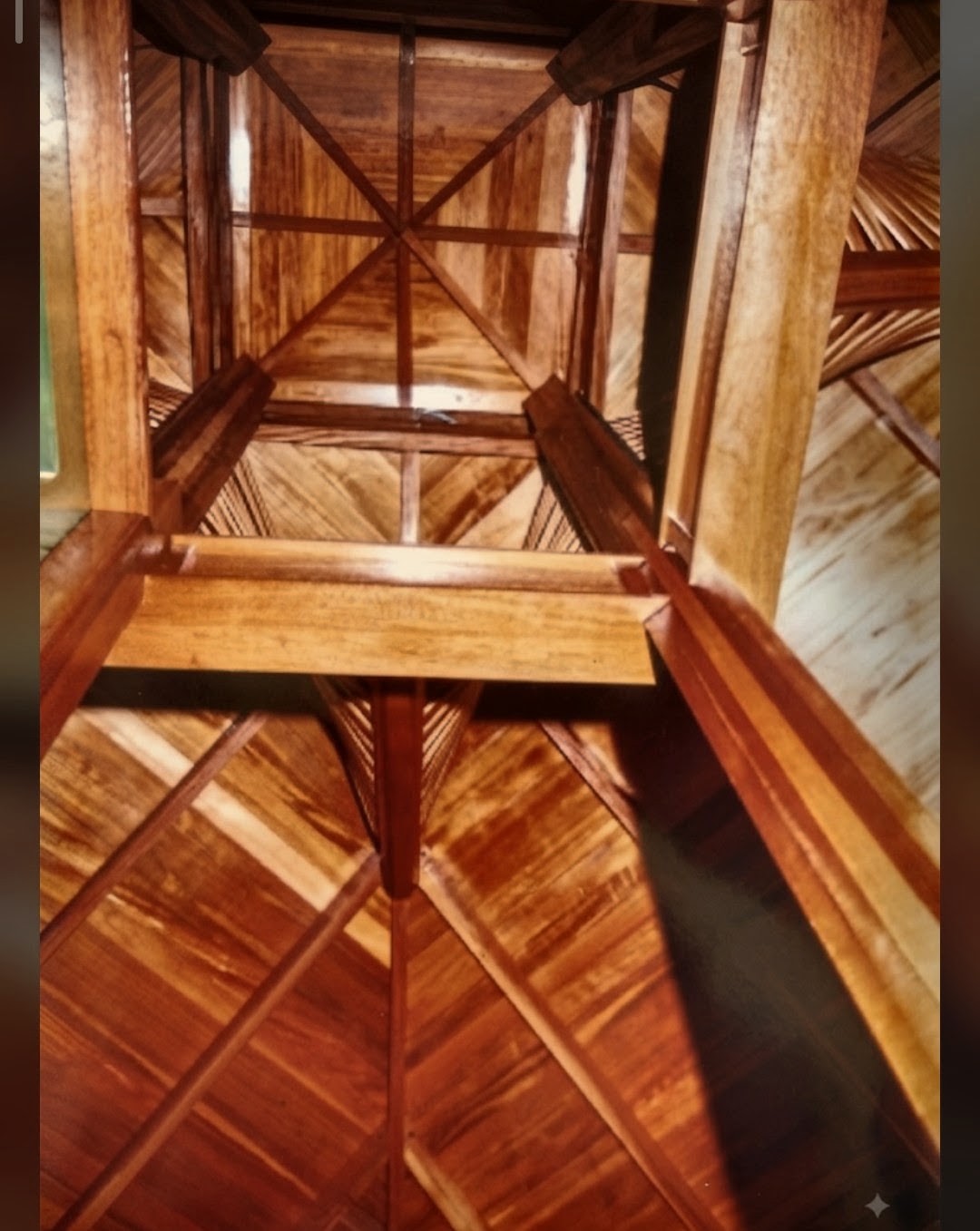
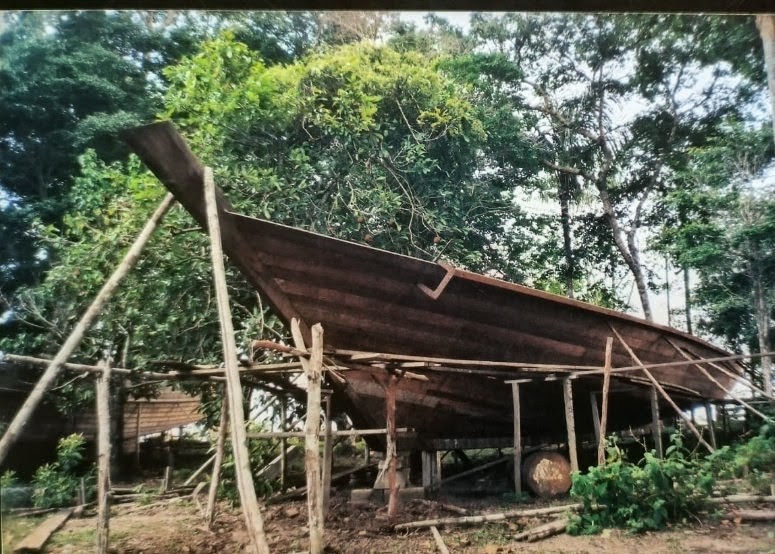
His technical foundation was shaped by wooden boatbuilding in the shipyards of southern Bahia and enriched by his experience with the Compagnons des Charpentiers de France, honing the mastery that would define his entire career.
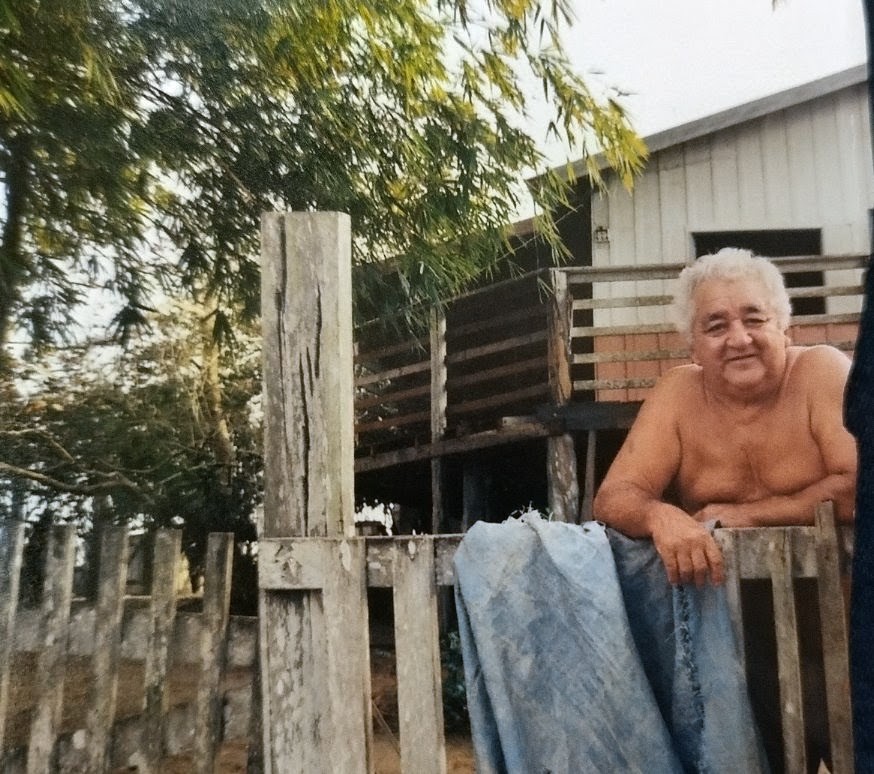
Master Pedro Damião, with whom João had the privilege and pleasure of learning.
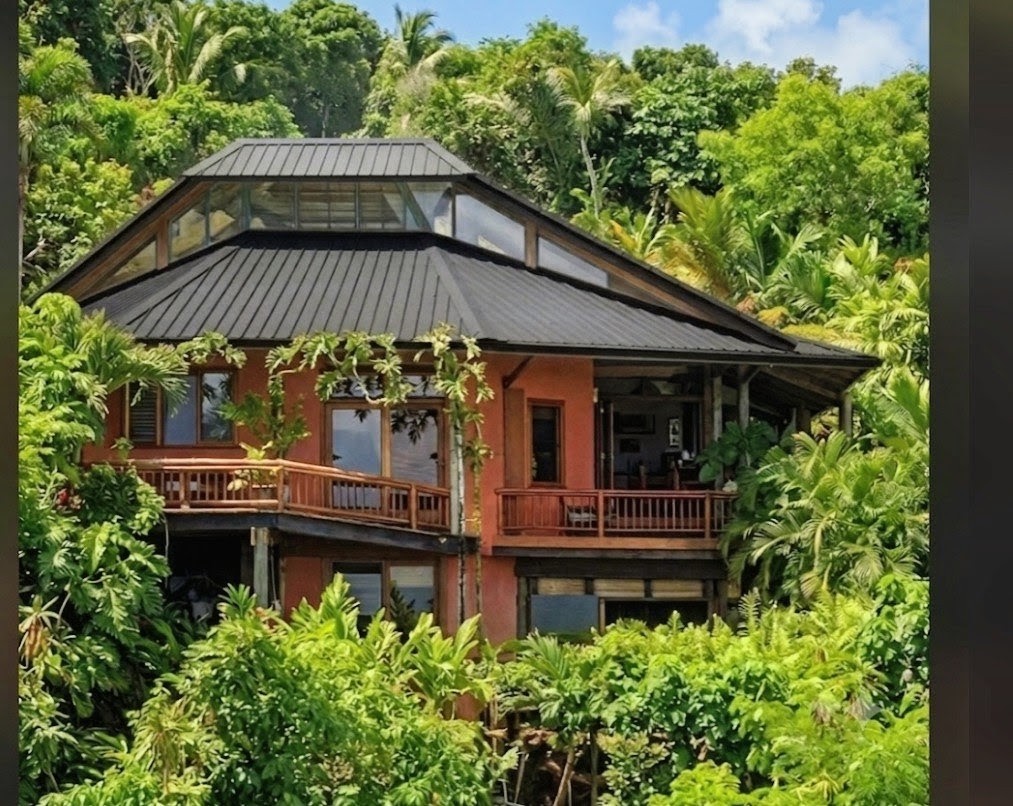
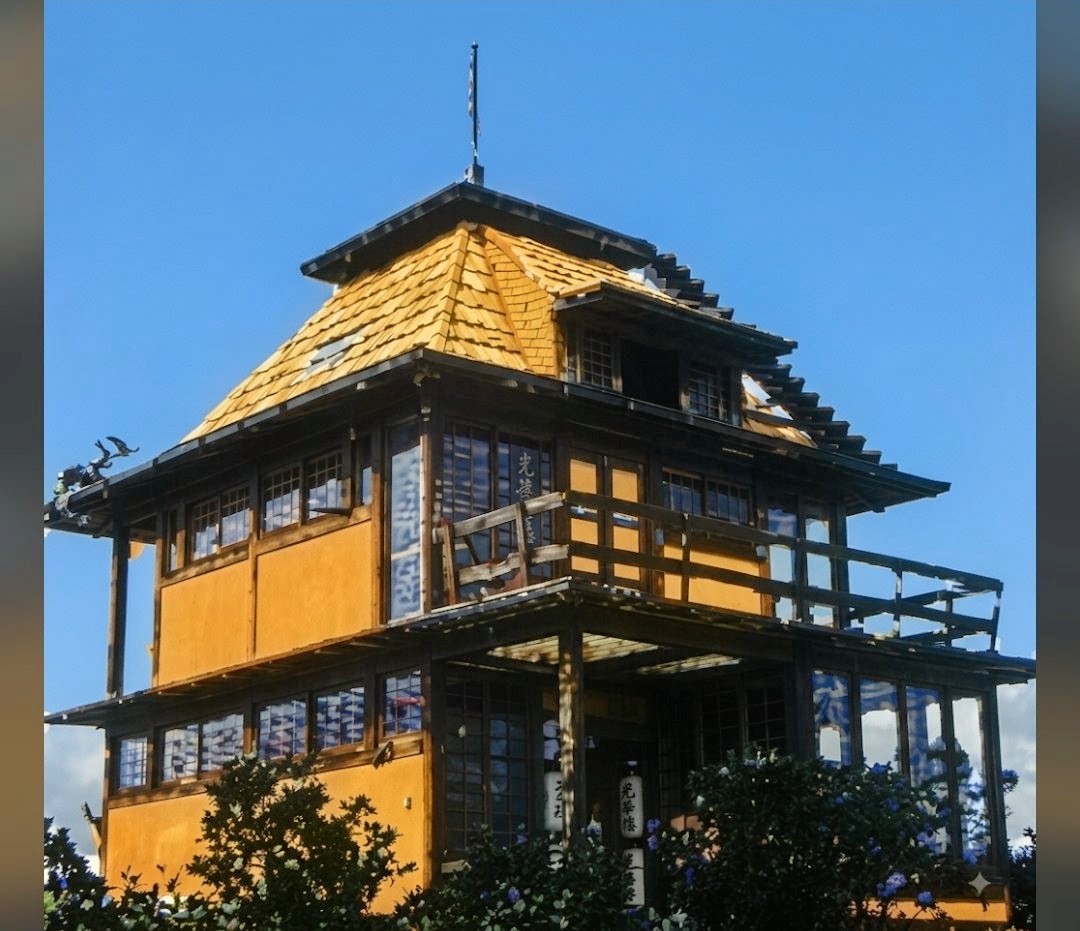
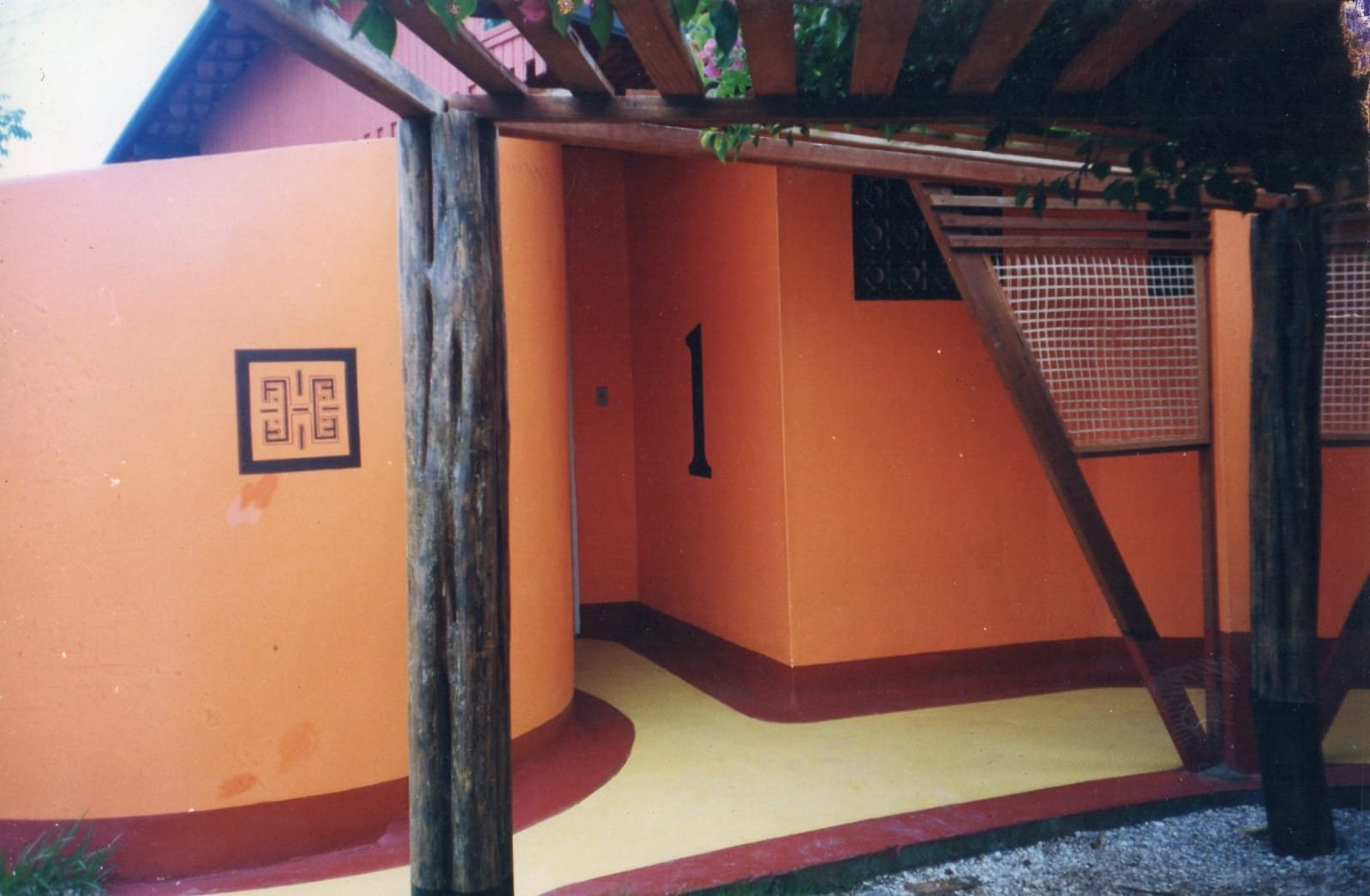
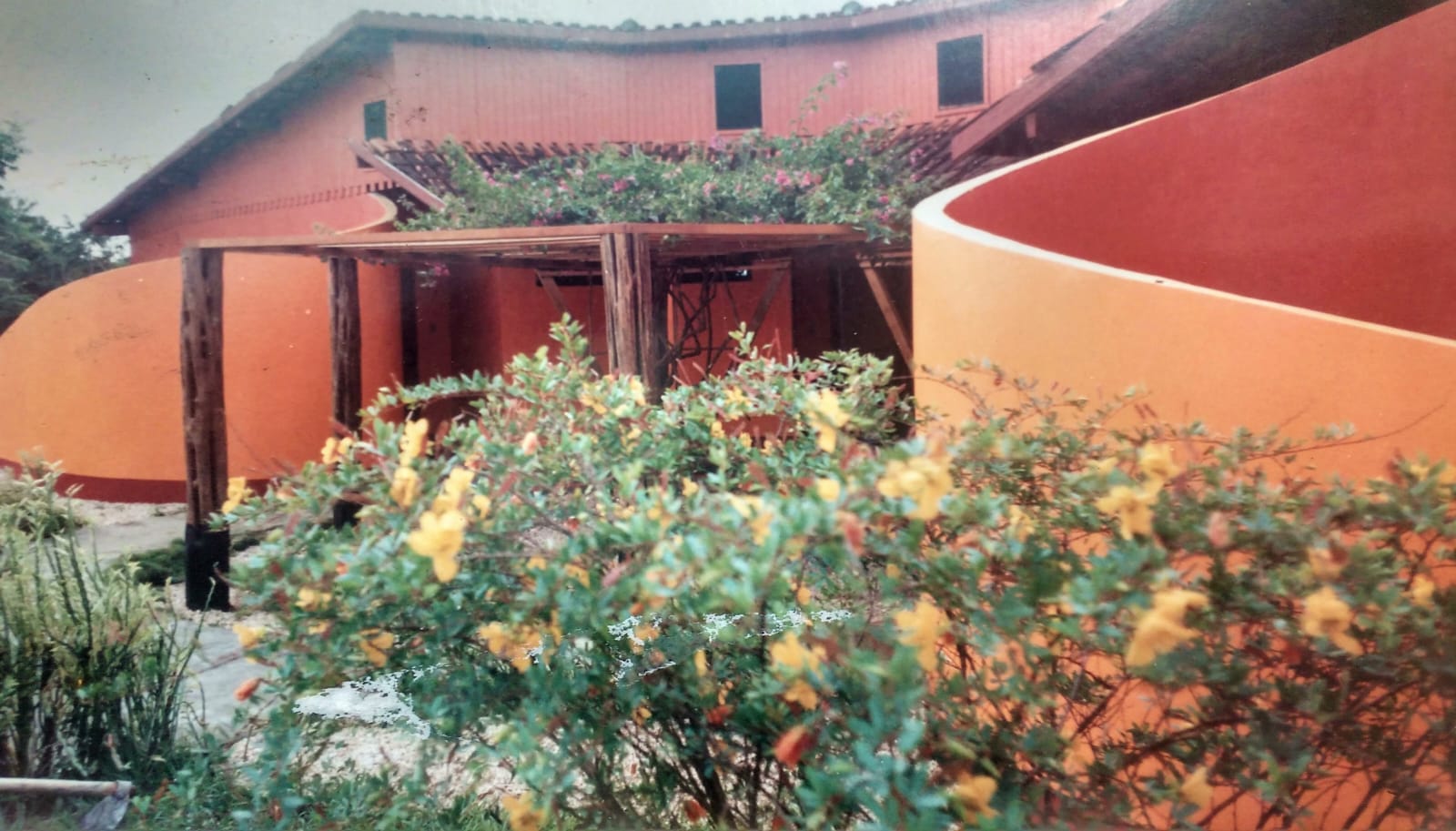
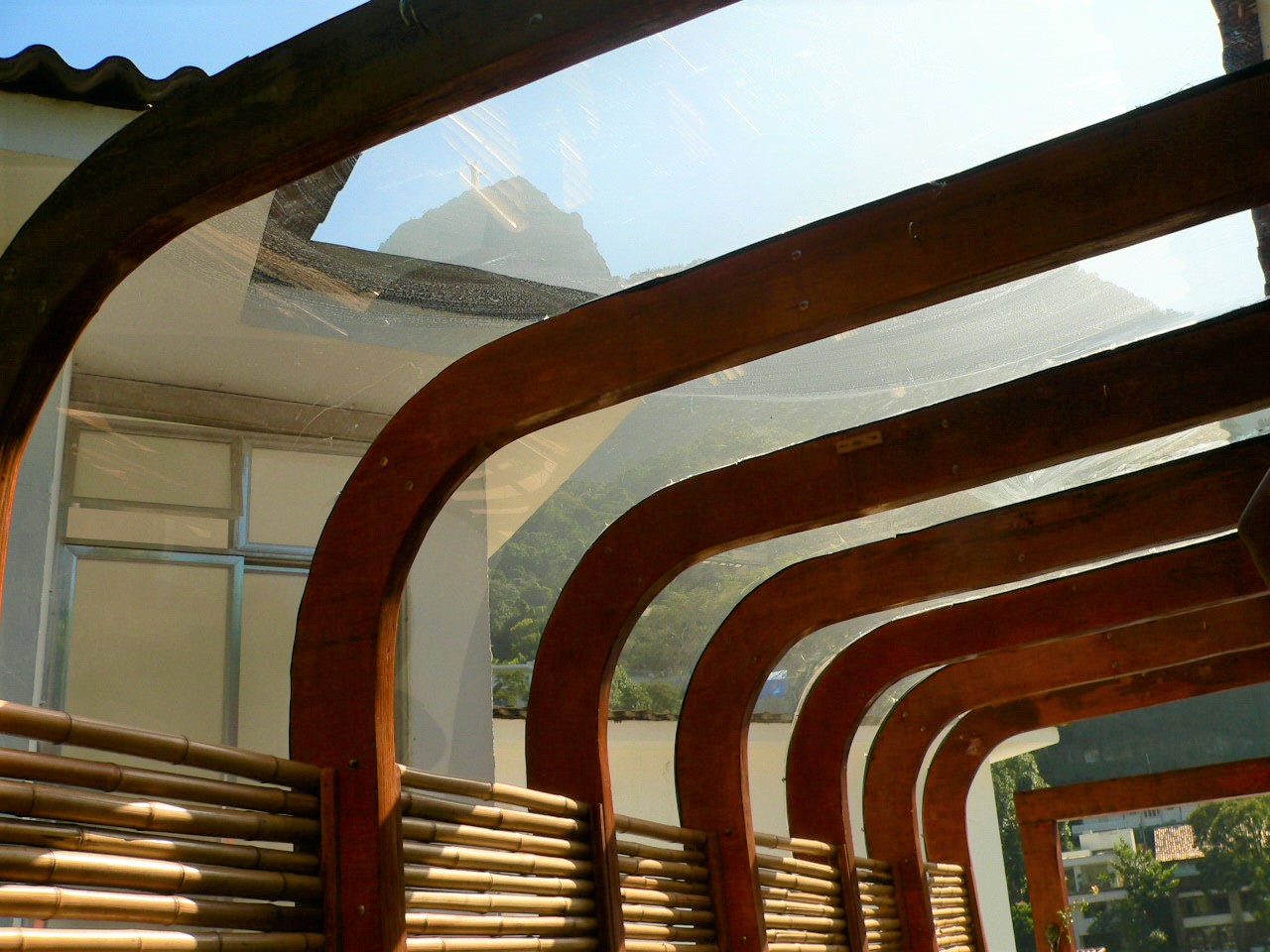
Before diving into the forest, his vision was sharpened by unforgettable experiences. His understanding of the essence of Brazil was forged through deep conversations with Tom Jobim, bound by a shared passion: birds. This exchange about the country made such an impact that the maestro gifted him the very first copy of the Terra Brasilis album—the unreleased proof sent by Warner in New York for him to review the text—featuring a beautiful dedication to João. Learning also came from the simplicity of being welcomed by Lúcio Costa at his apartment in Leblon, where he gained precious wisdom on design and meaning. And from an unexpected encounter: during one of his routine stays at the Hotel do Pierre on Itacuruçá Island, Oscar Niemeyer was walking along the shore when he came across the Casa da Ilha and was captivated by it. The master stopped to admire what was João's very first project, expressing praise for the lightness that the timber structure conveyed.
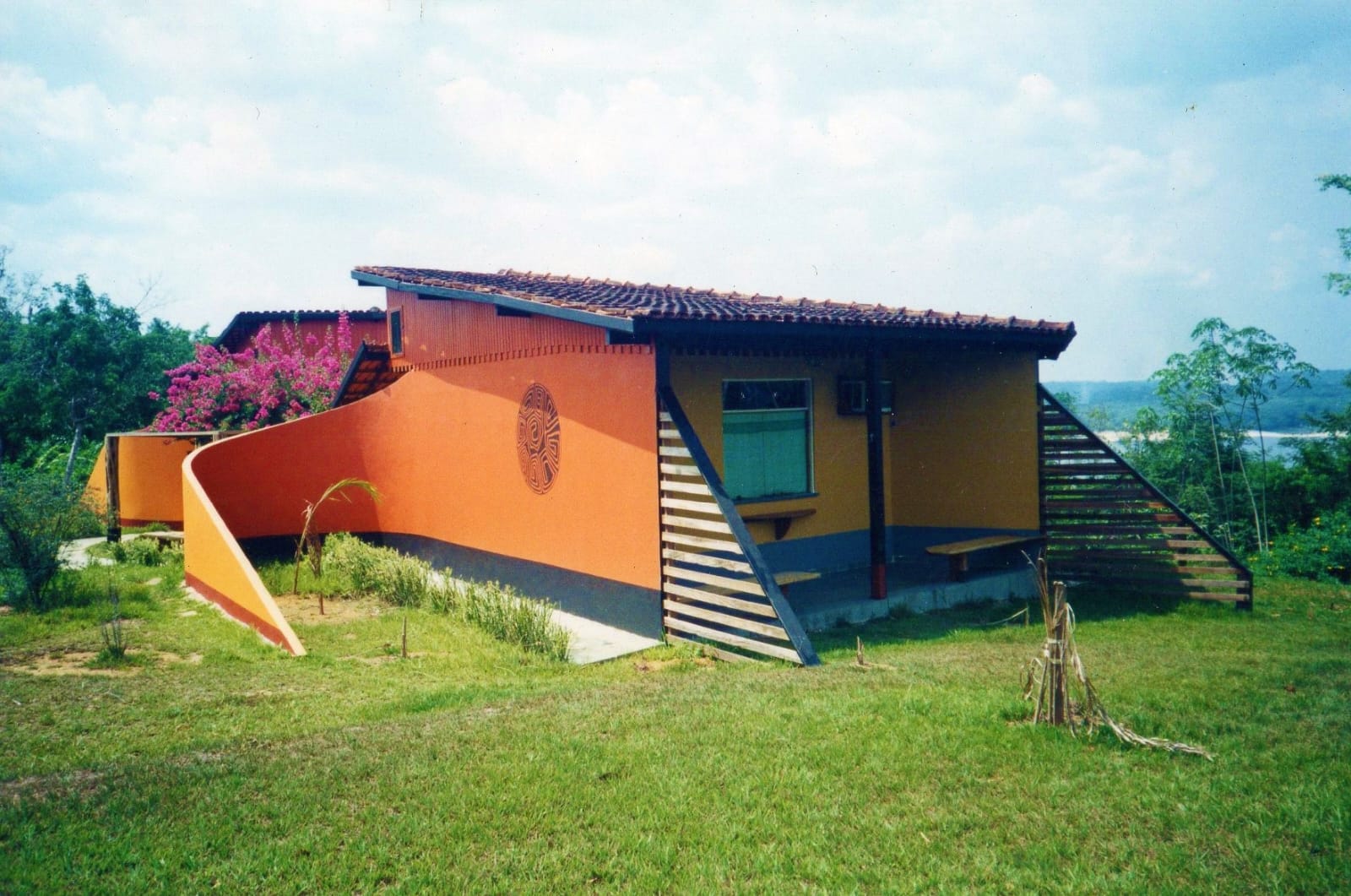
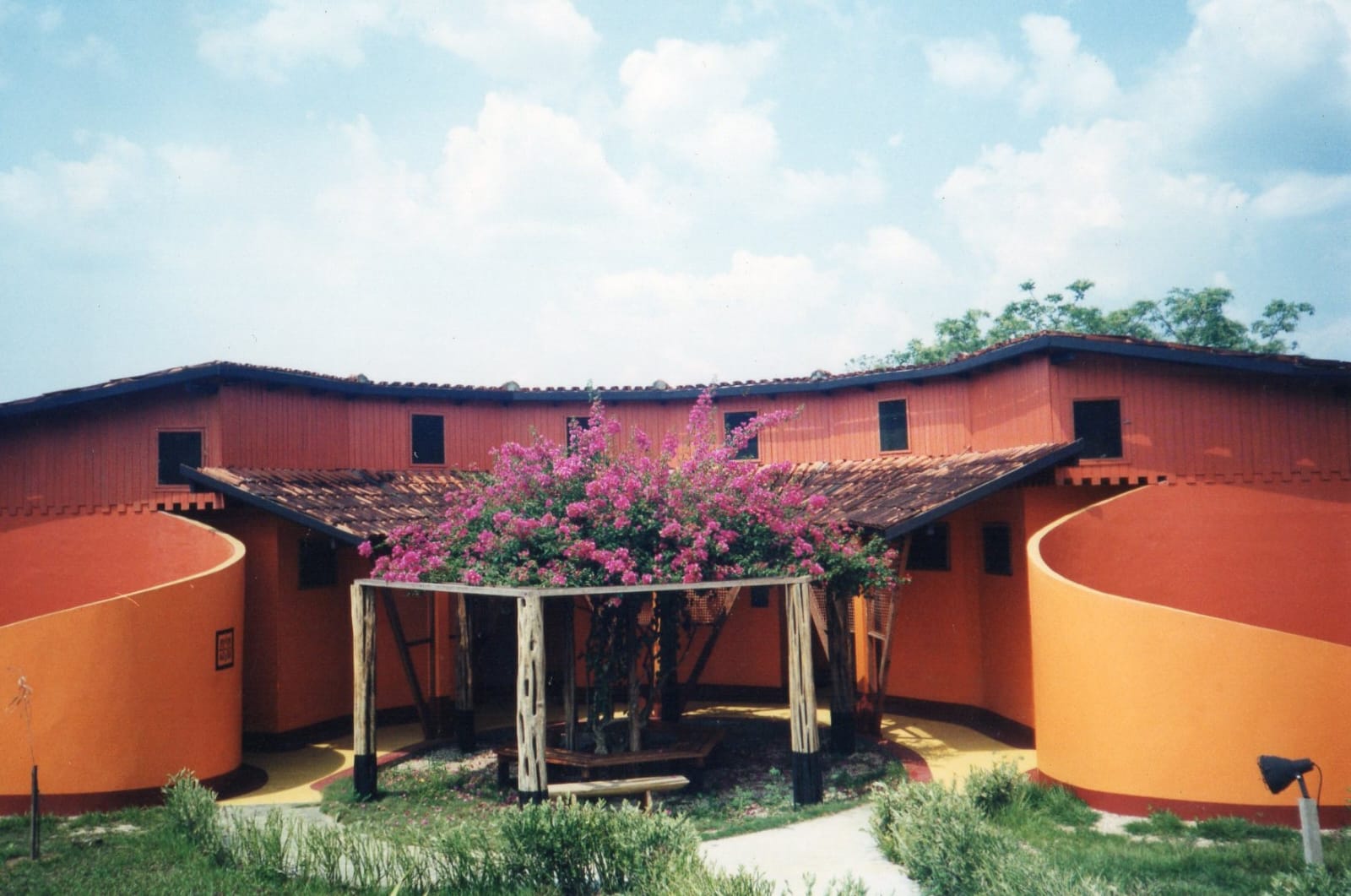
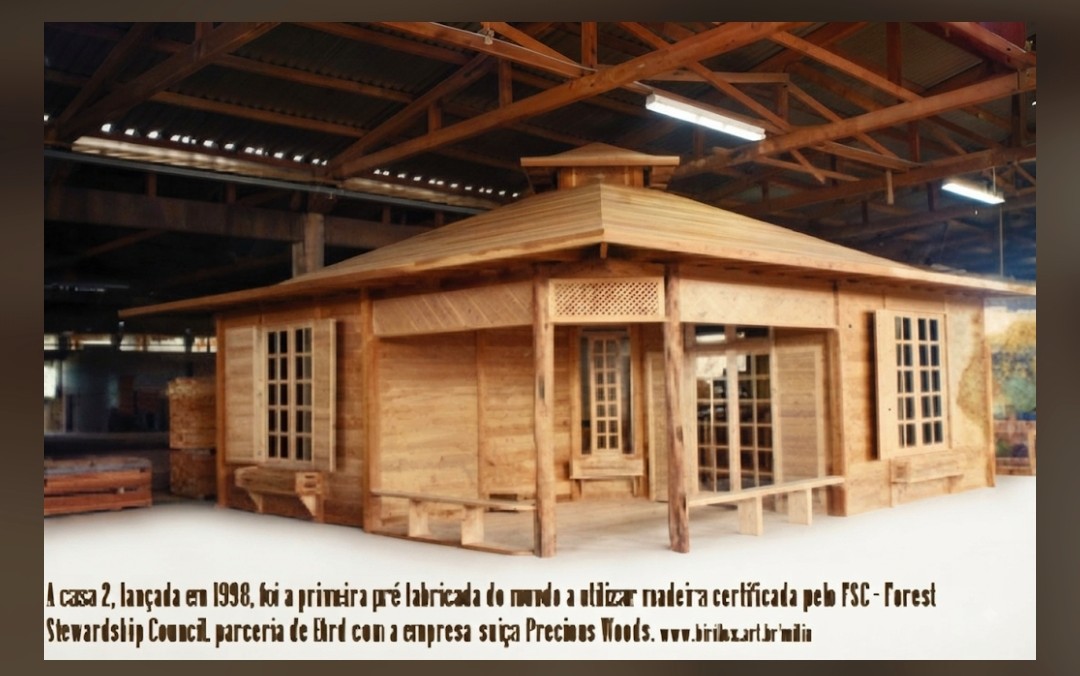
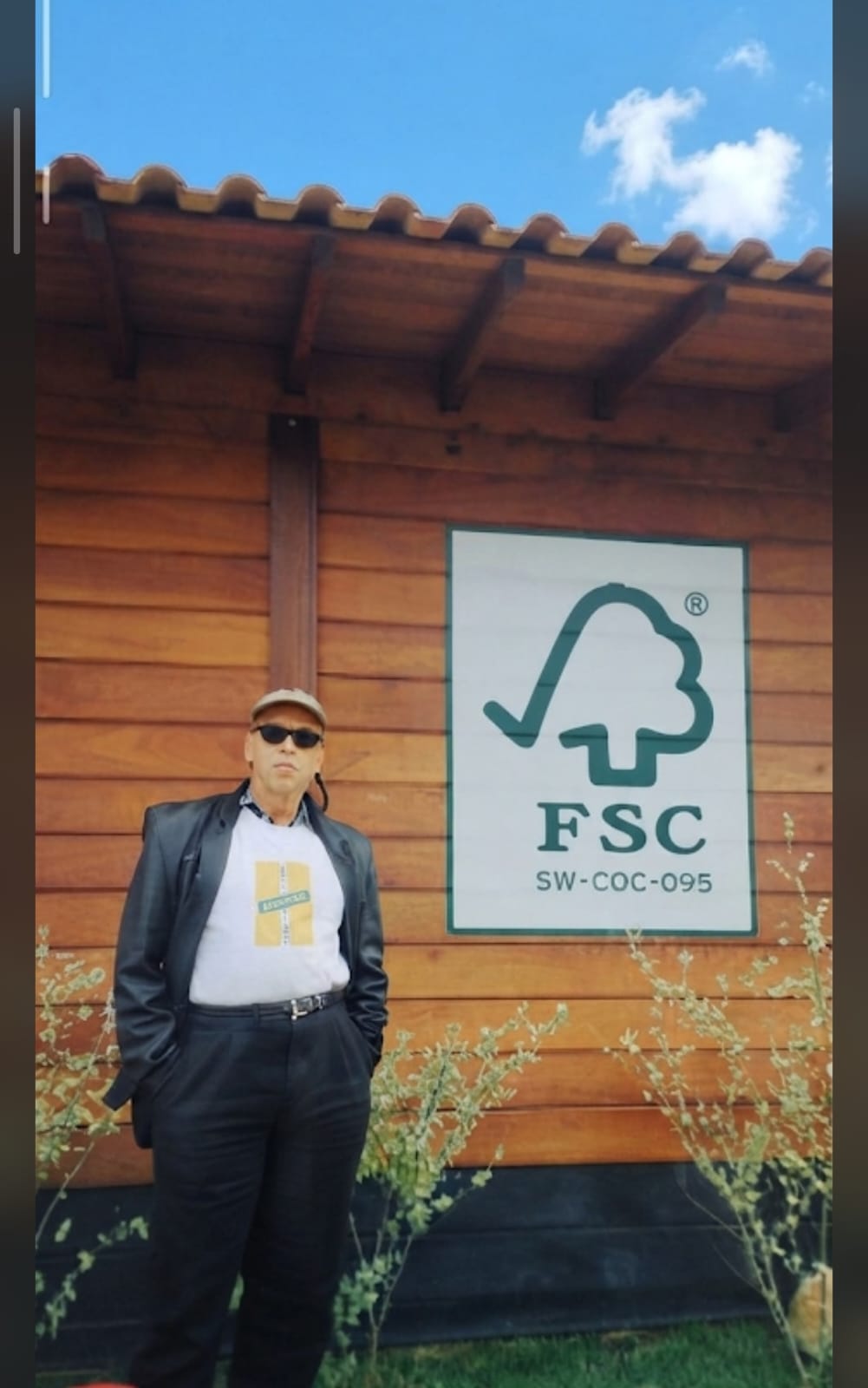
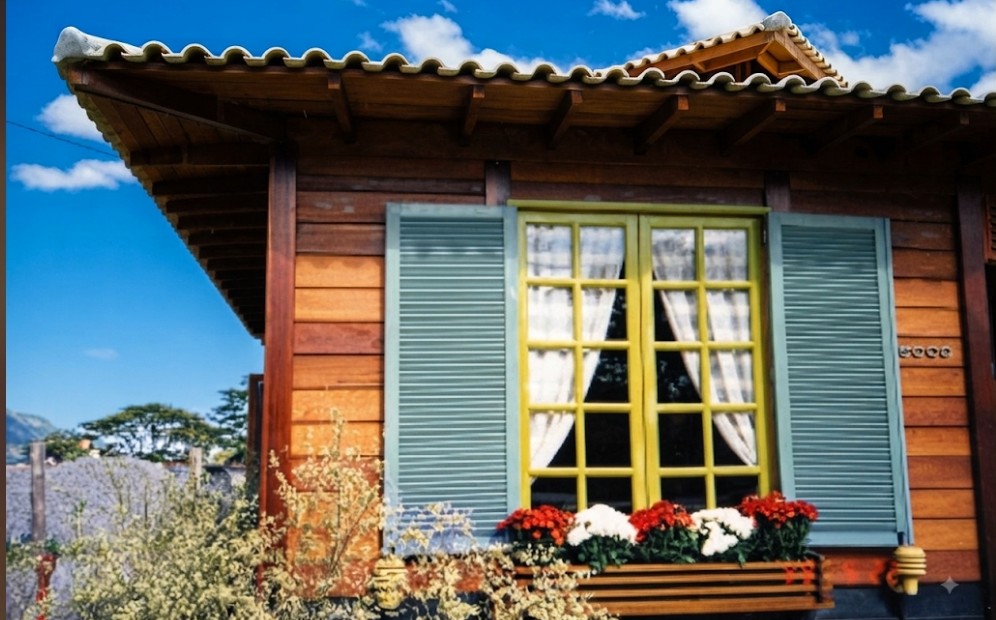
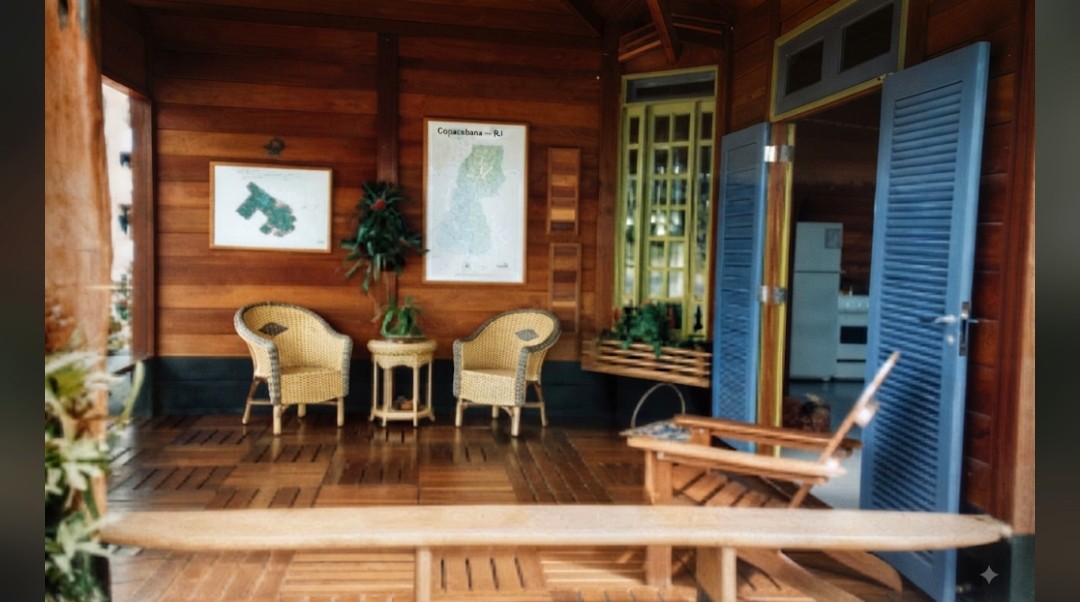
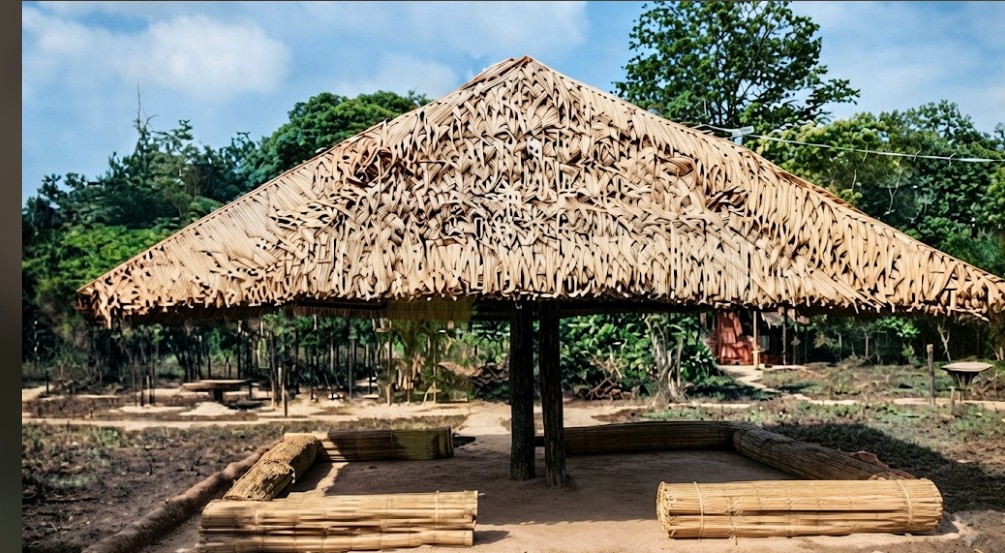
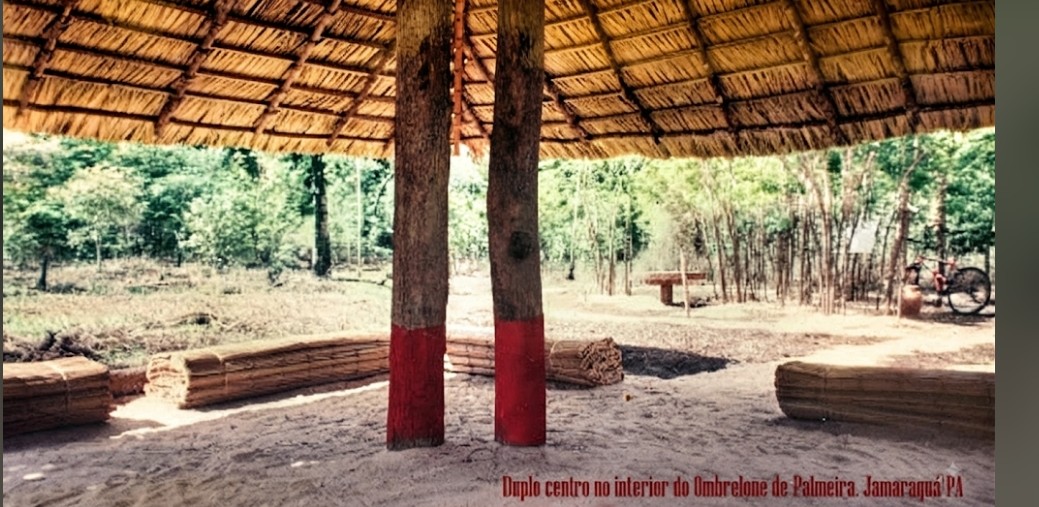
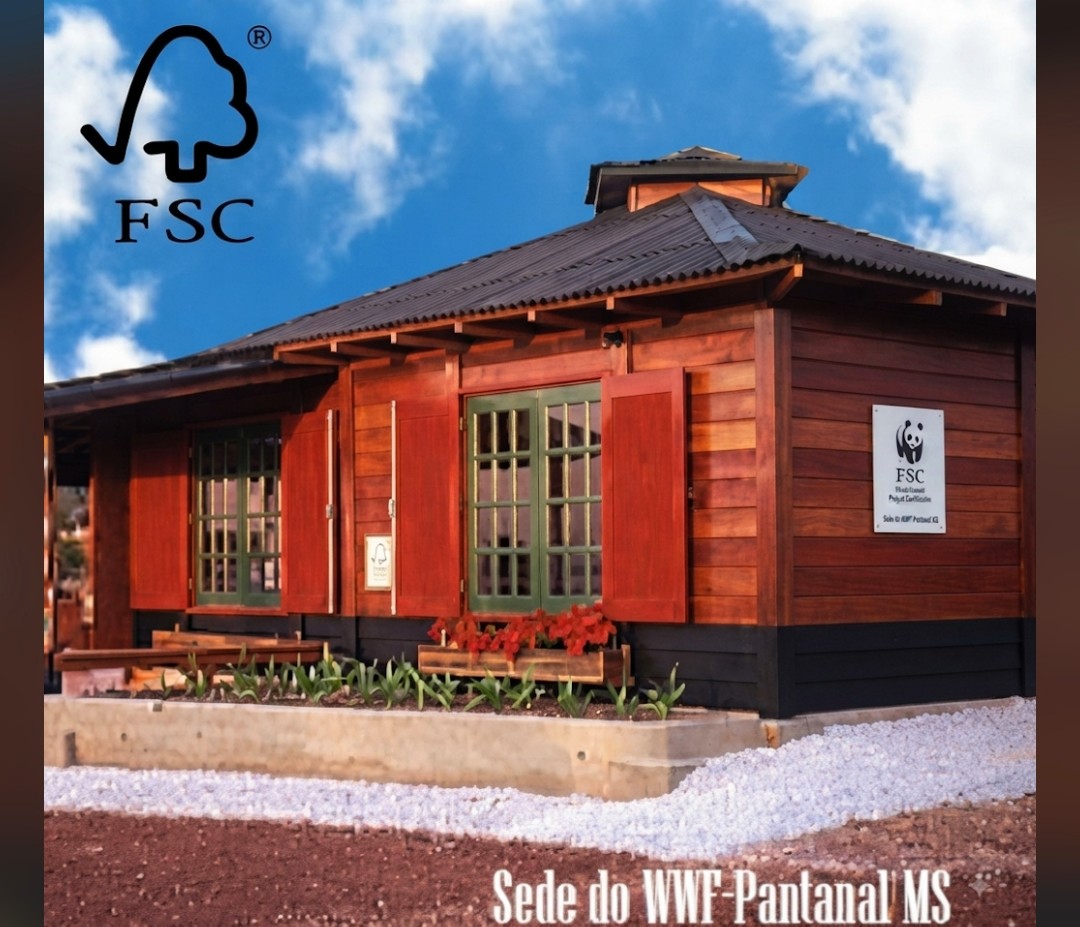
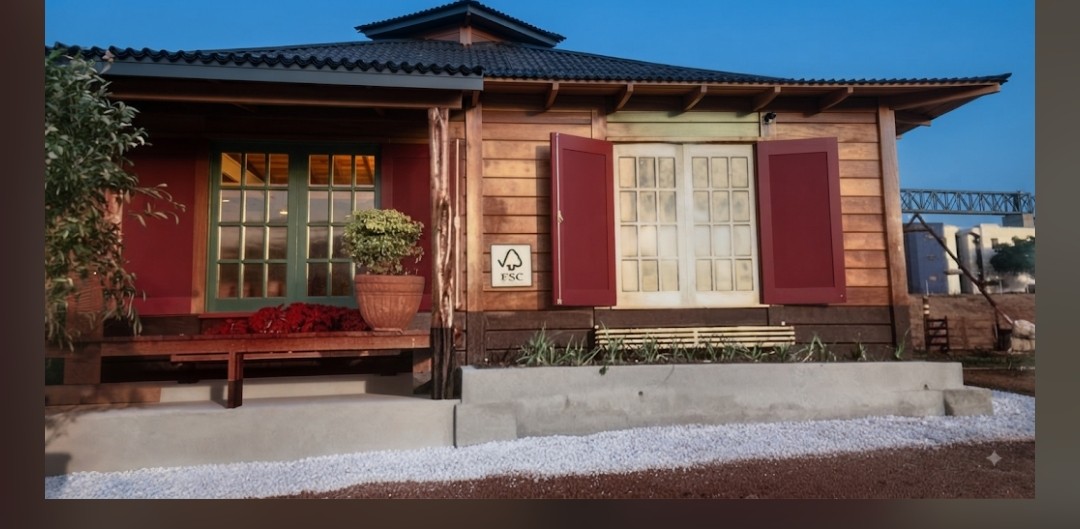
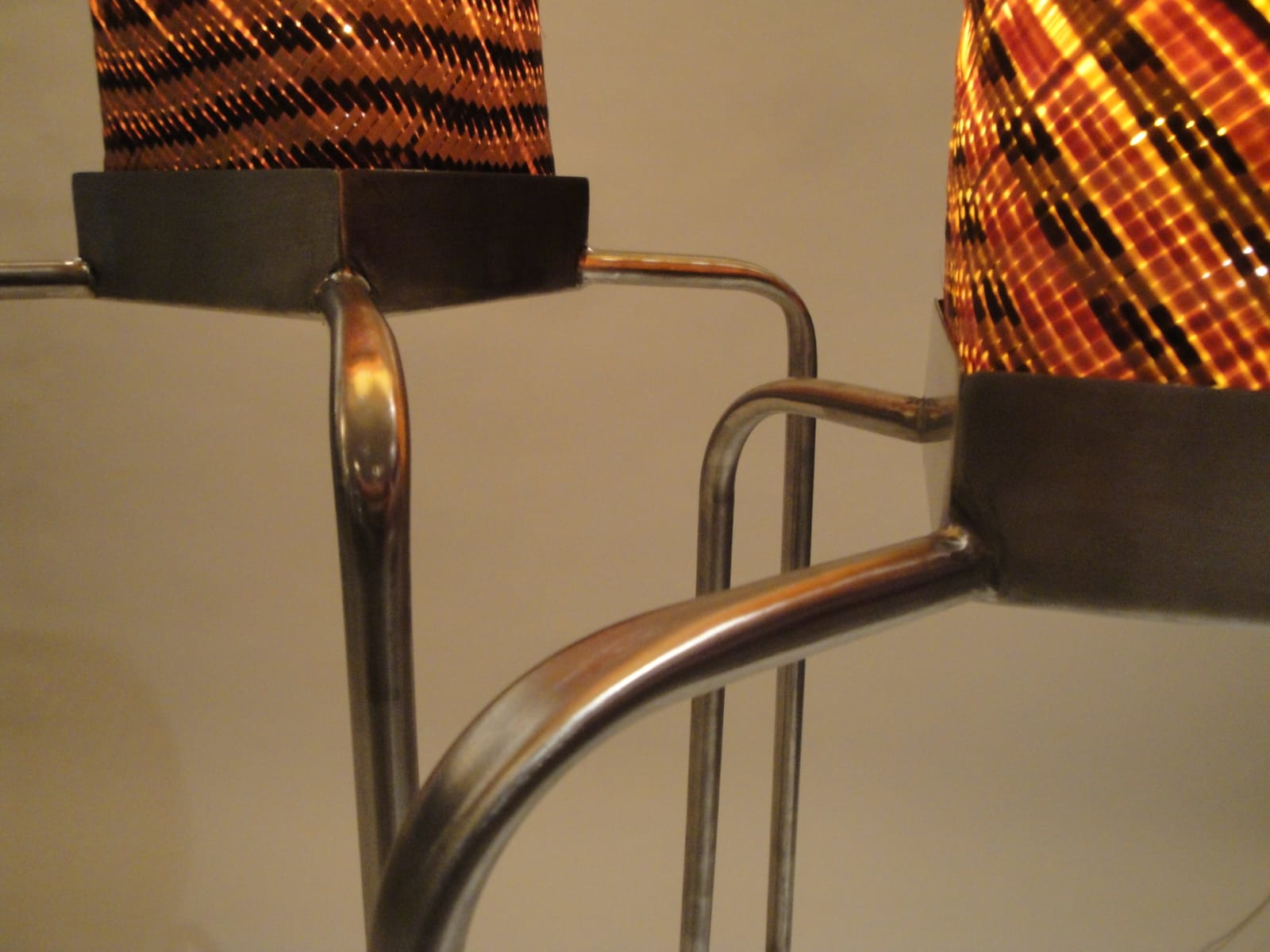
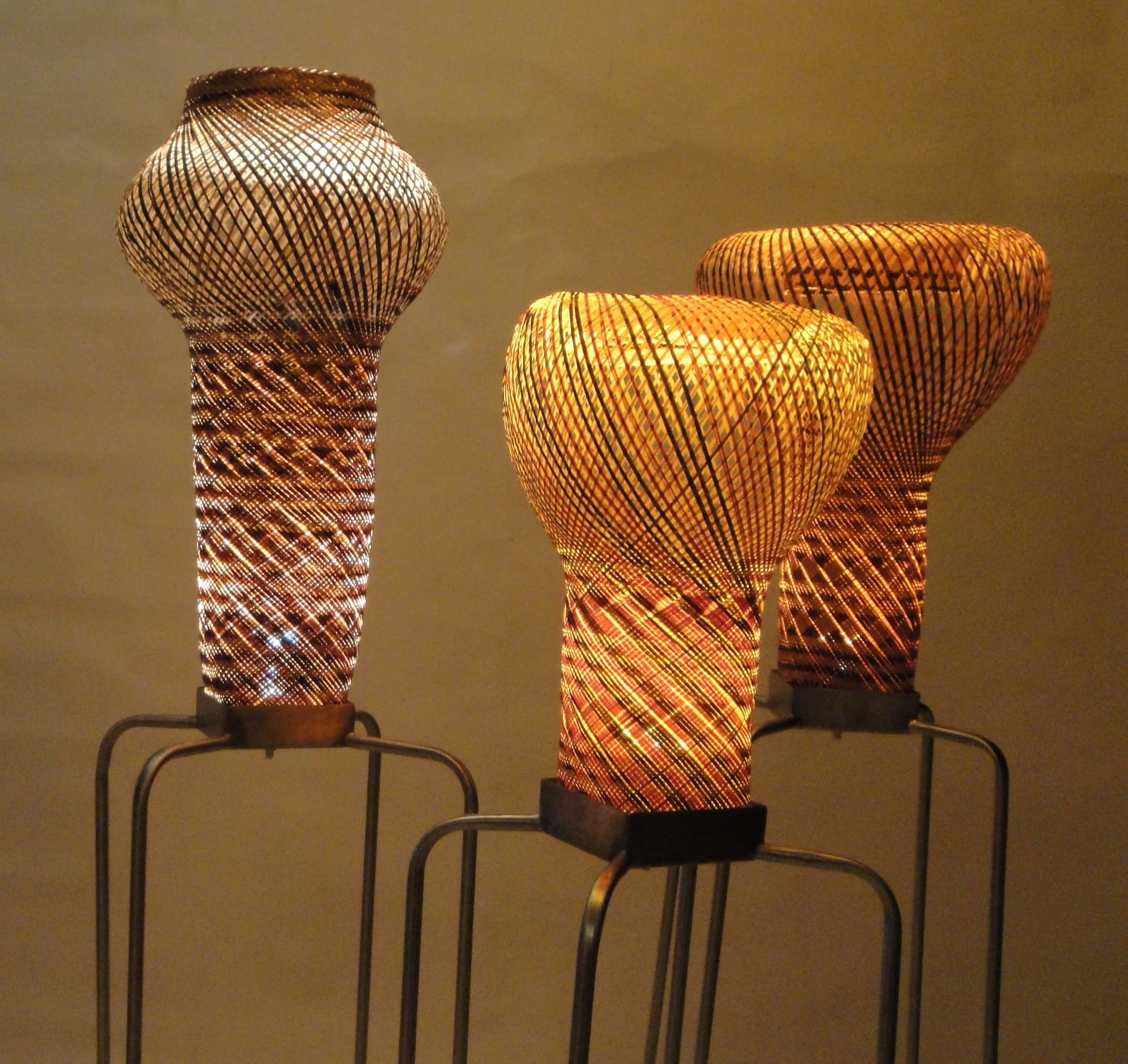
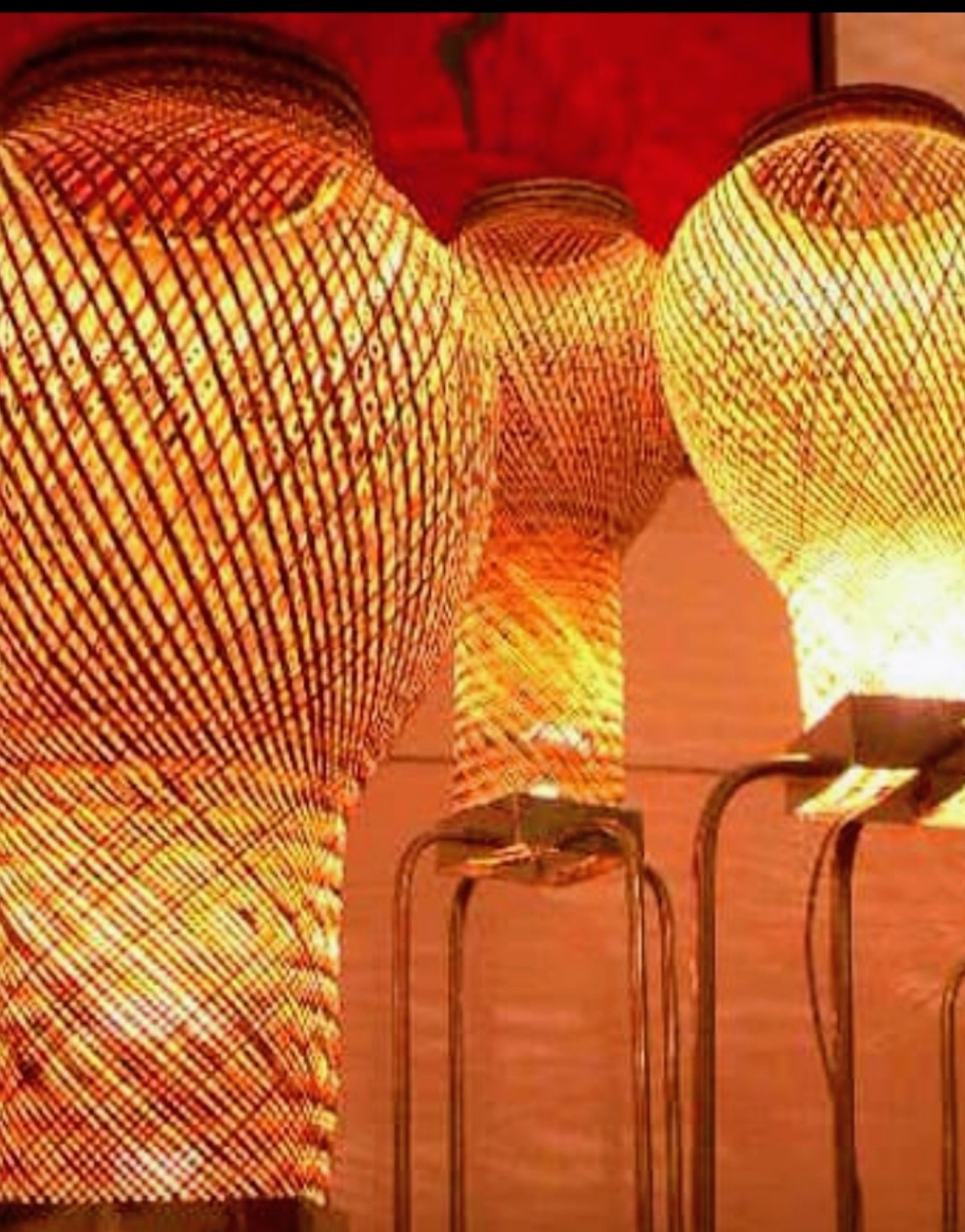
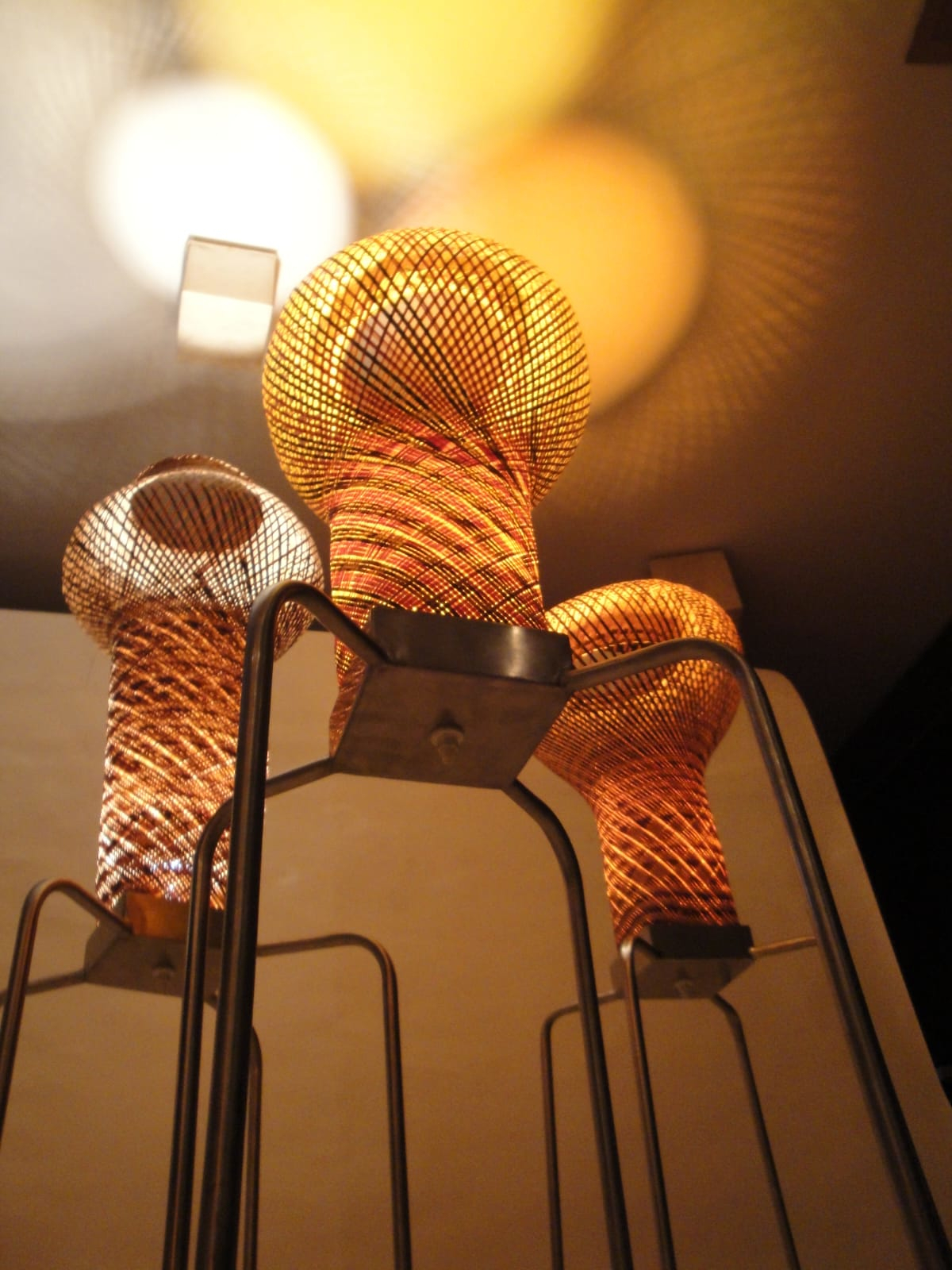
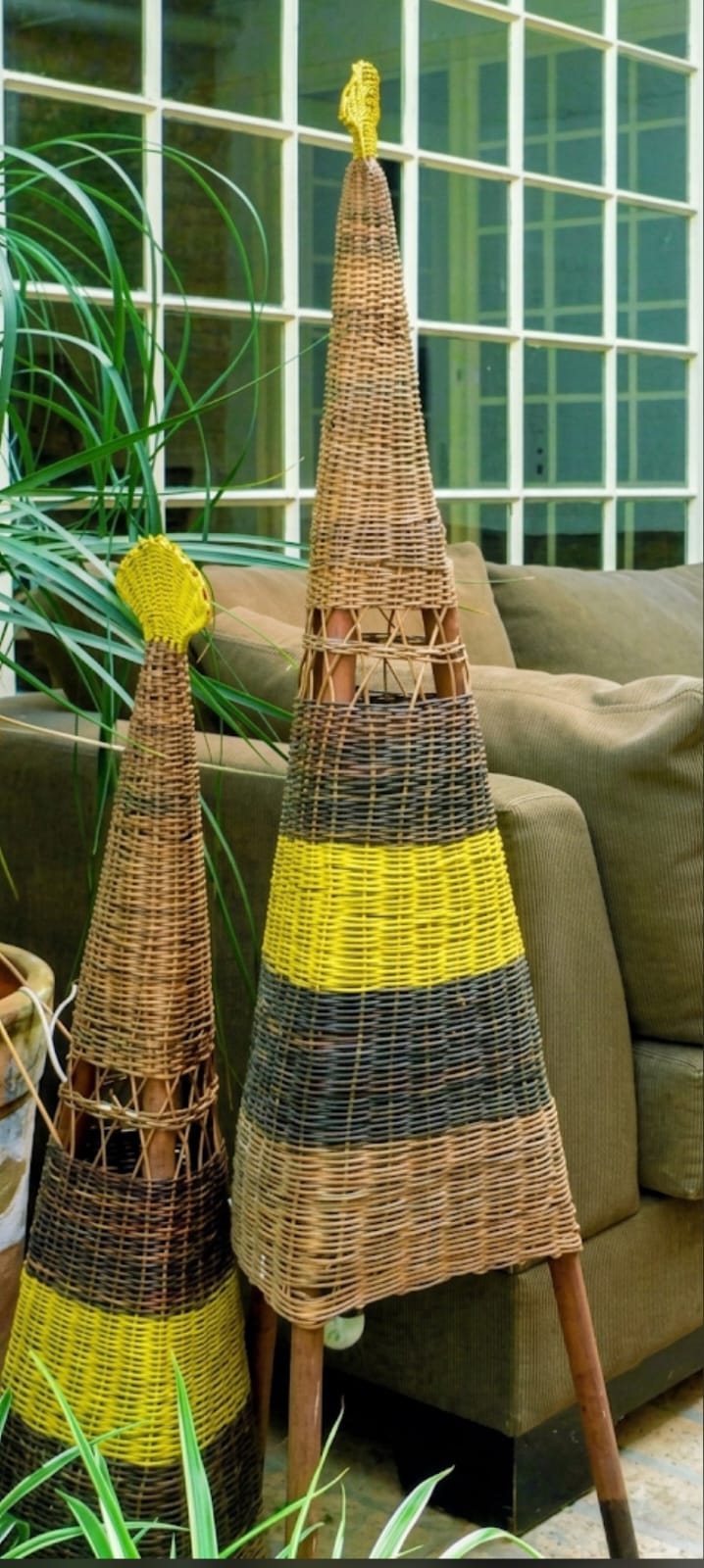
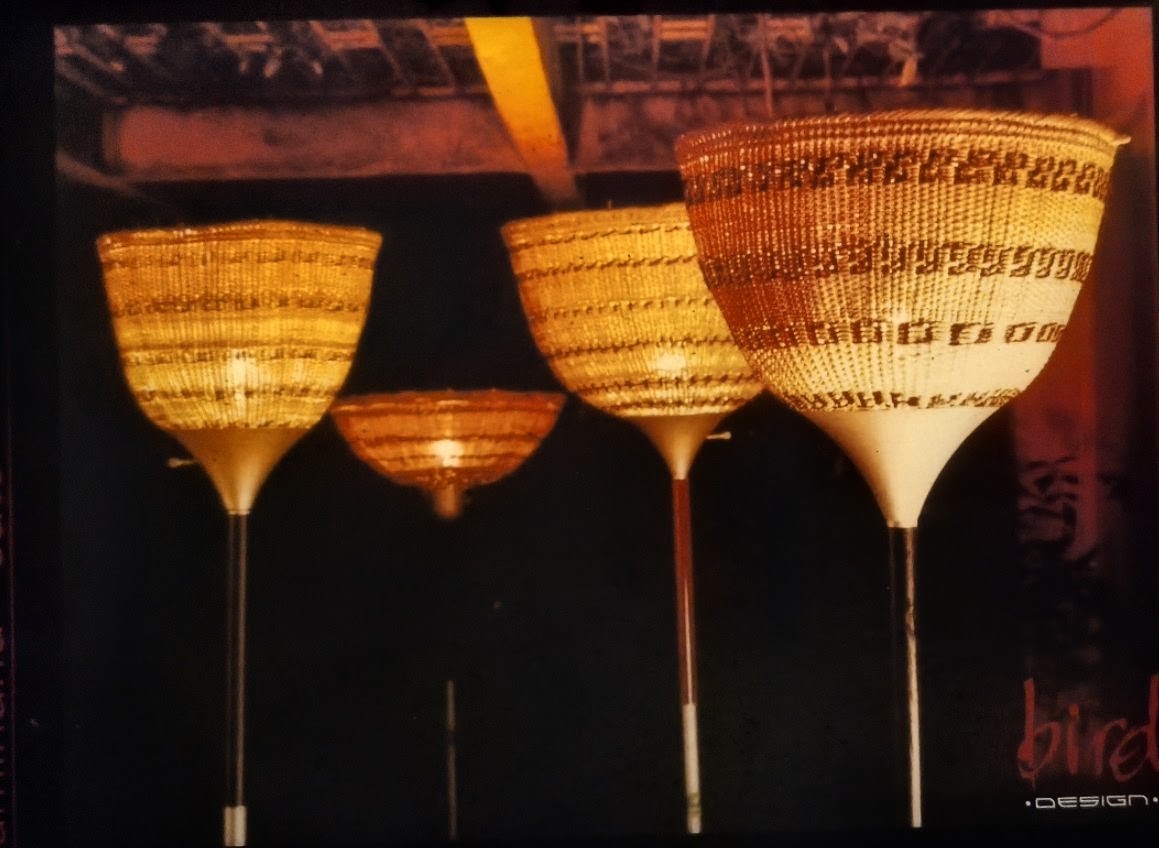
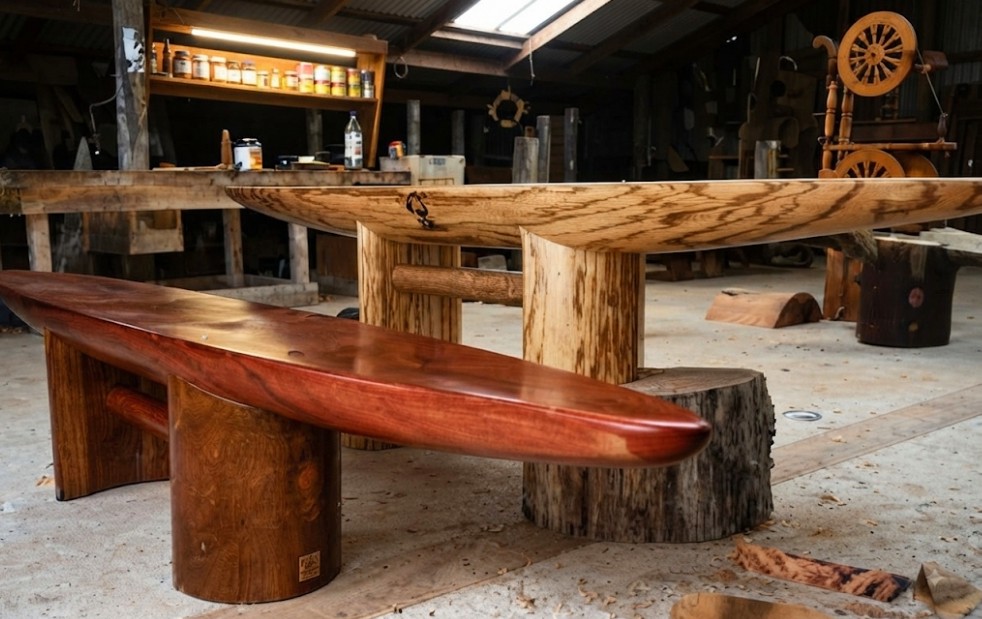
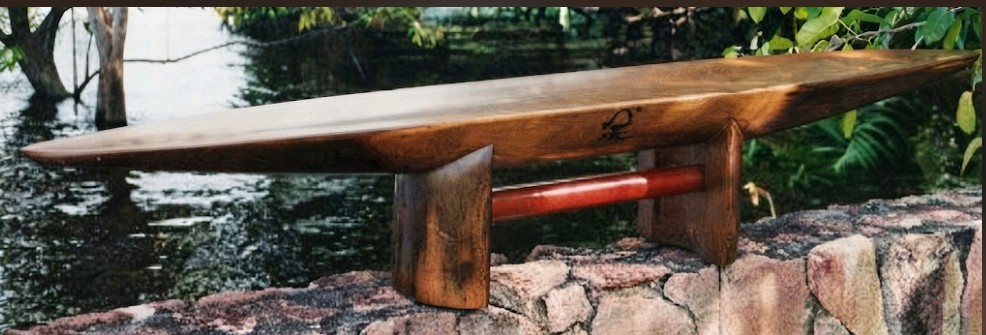
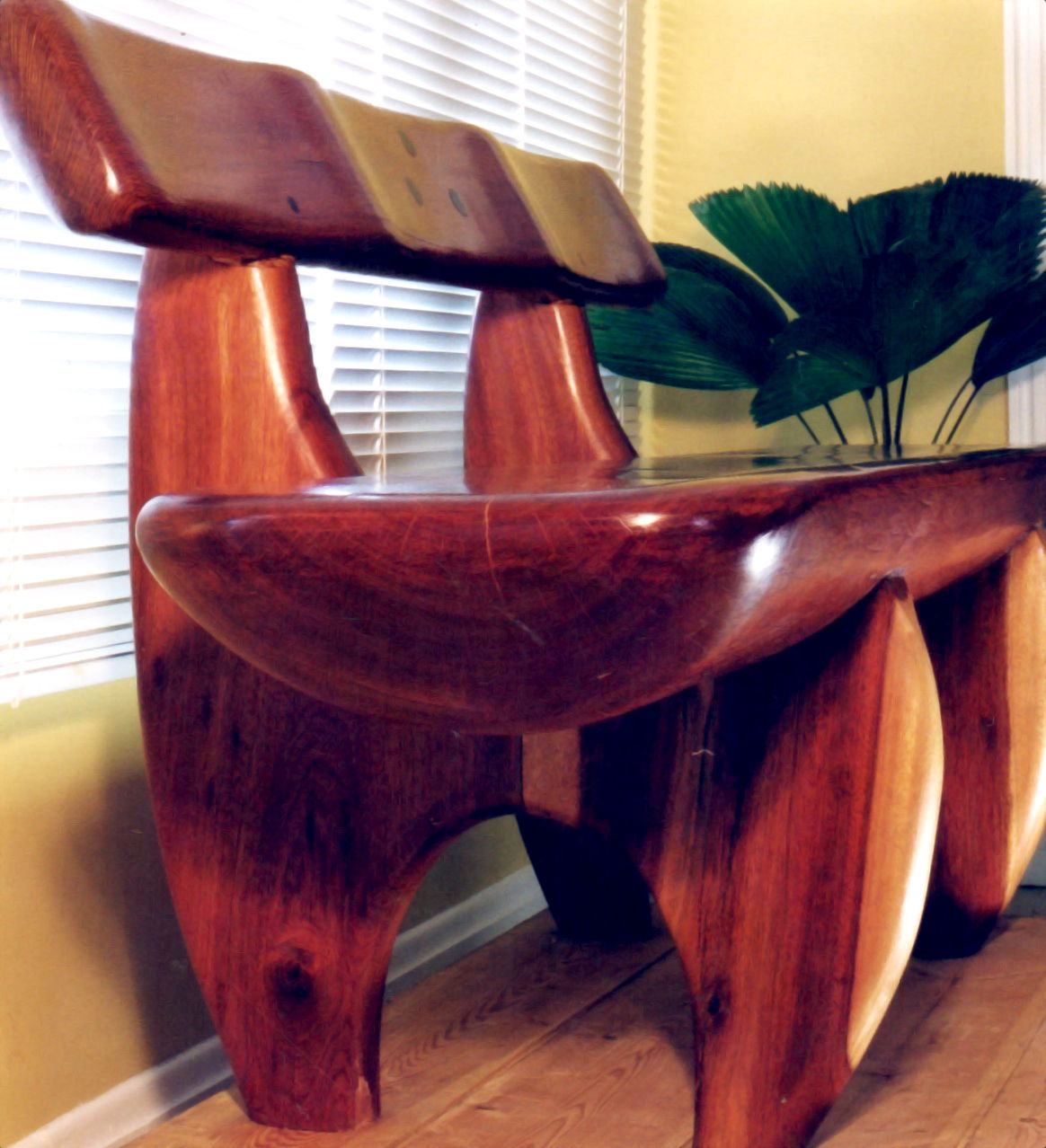
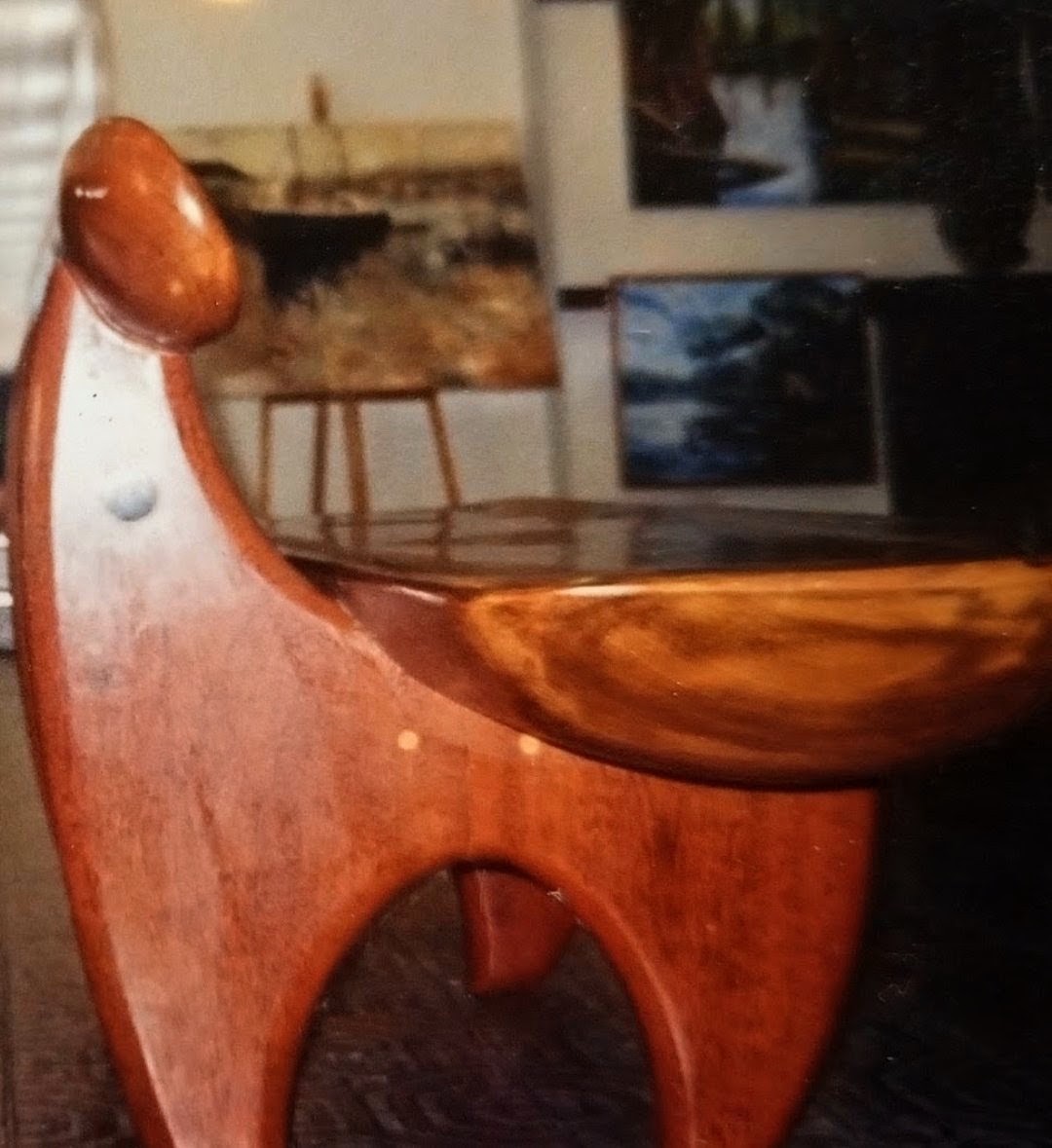
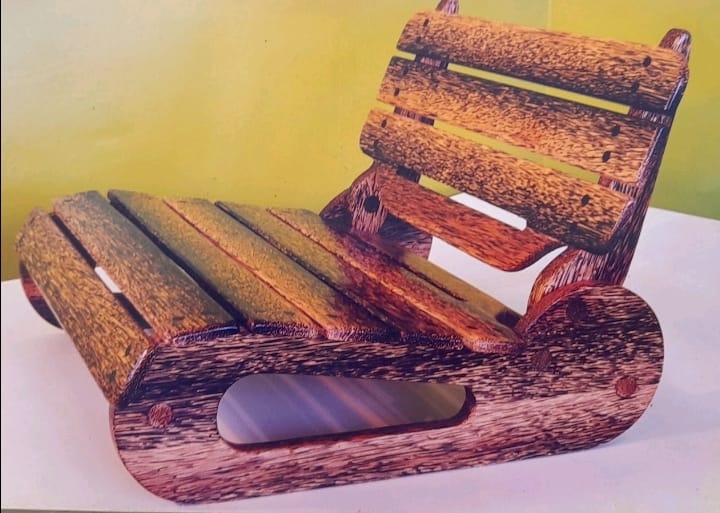
This rich background took on a new dimension during a 10-year immersion in the Amazon. A profound journey within the rainforest was defined by transformative encounters with various Indigenous peoples—such as the Mura, Parintintin, and Sateré-Mawé, as well as the Makuna, Tukano, and Arawak in the Upper Rio Negro, and the Hixkaryana in the Upper Nhamundá—inspiring the creation of the Canoa and Panda benches. This immersion unfolded further in the Upper Solimões, where shared learning with the Tikuna Indigenous Women's Cooperative led to the design of the Kuna light fixtures. Inspired by this extraordinary biome, he collaborated with Precious Woods to develop the world's first prefabricated home crafted with FSC-certified timber. Through this project, Brazil achieved an unprecedented milestone on the global stage ahead of nations like Finland and Sweden, proving that architectural innovation can and must coexist in perfect harmony with environmental preservation.
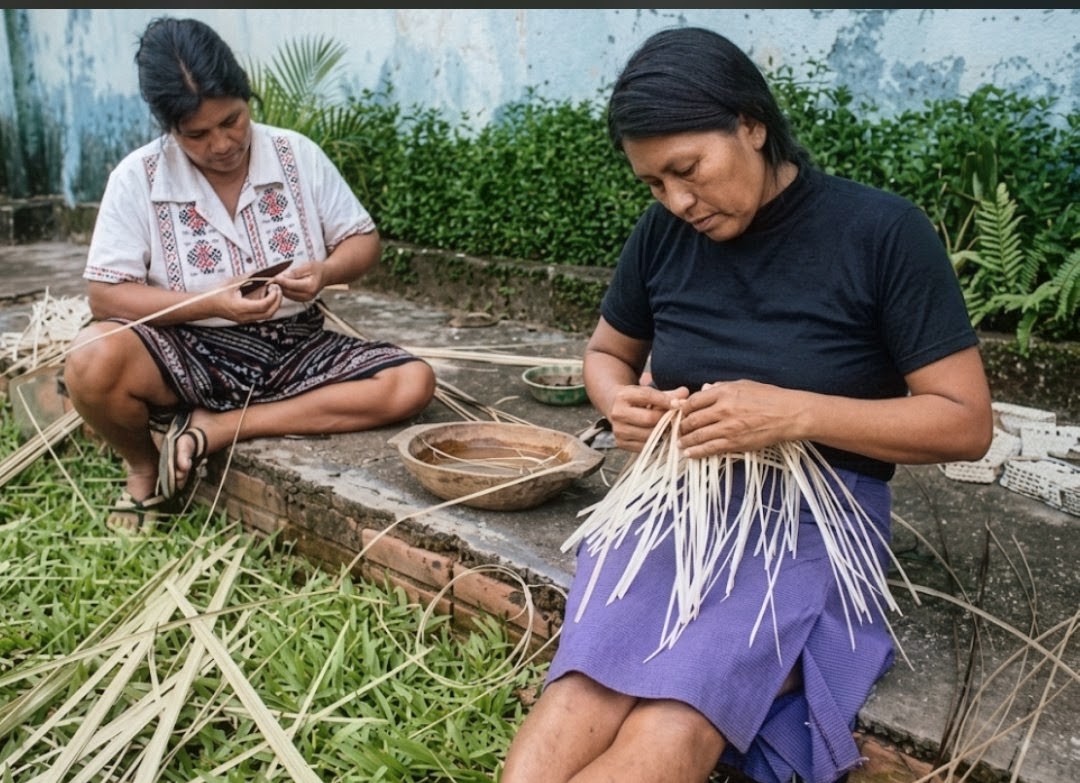
Tikuna Indigenous Women's Cooperative of Upper Solimões, AM
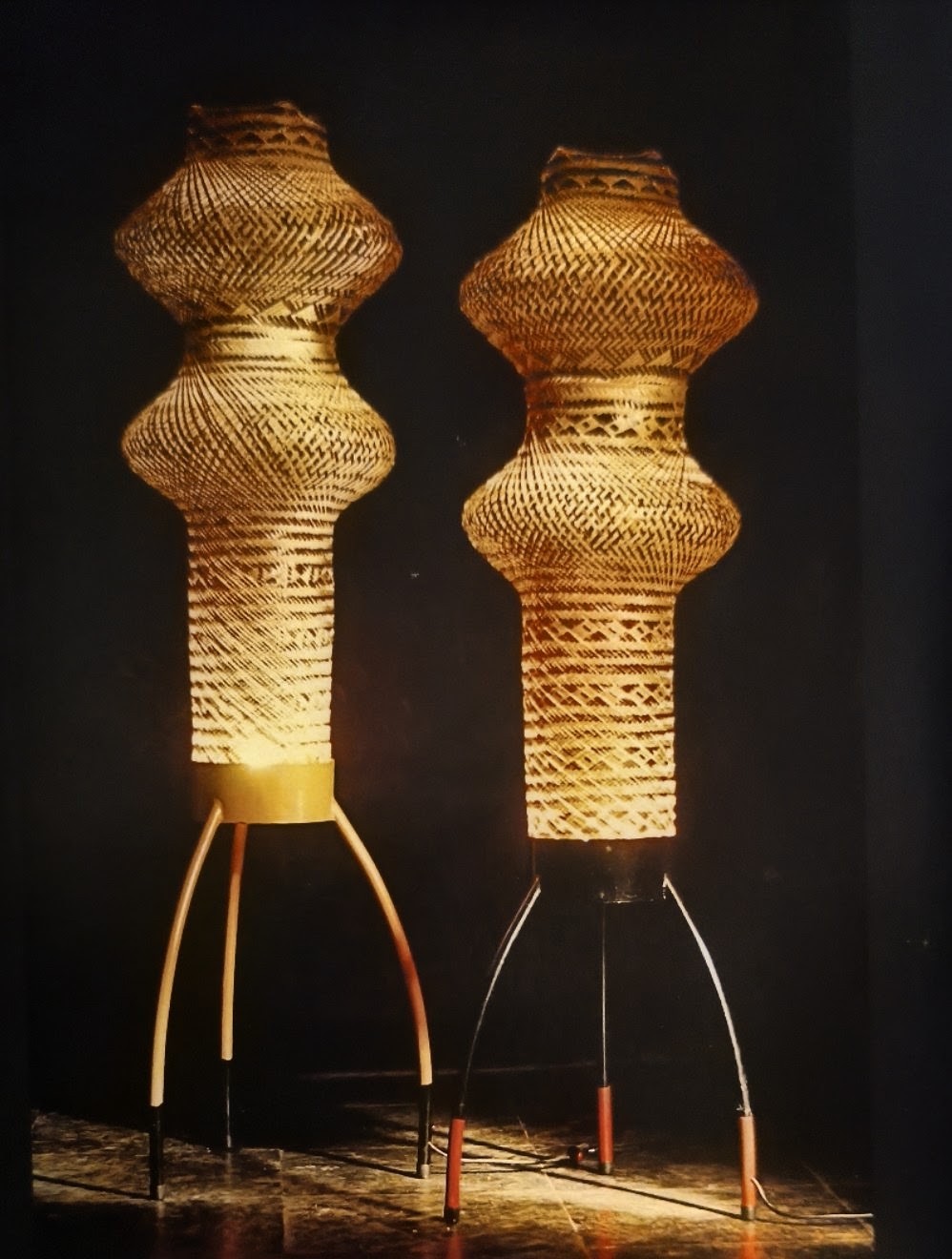
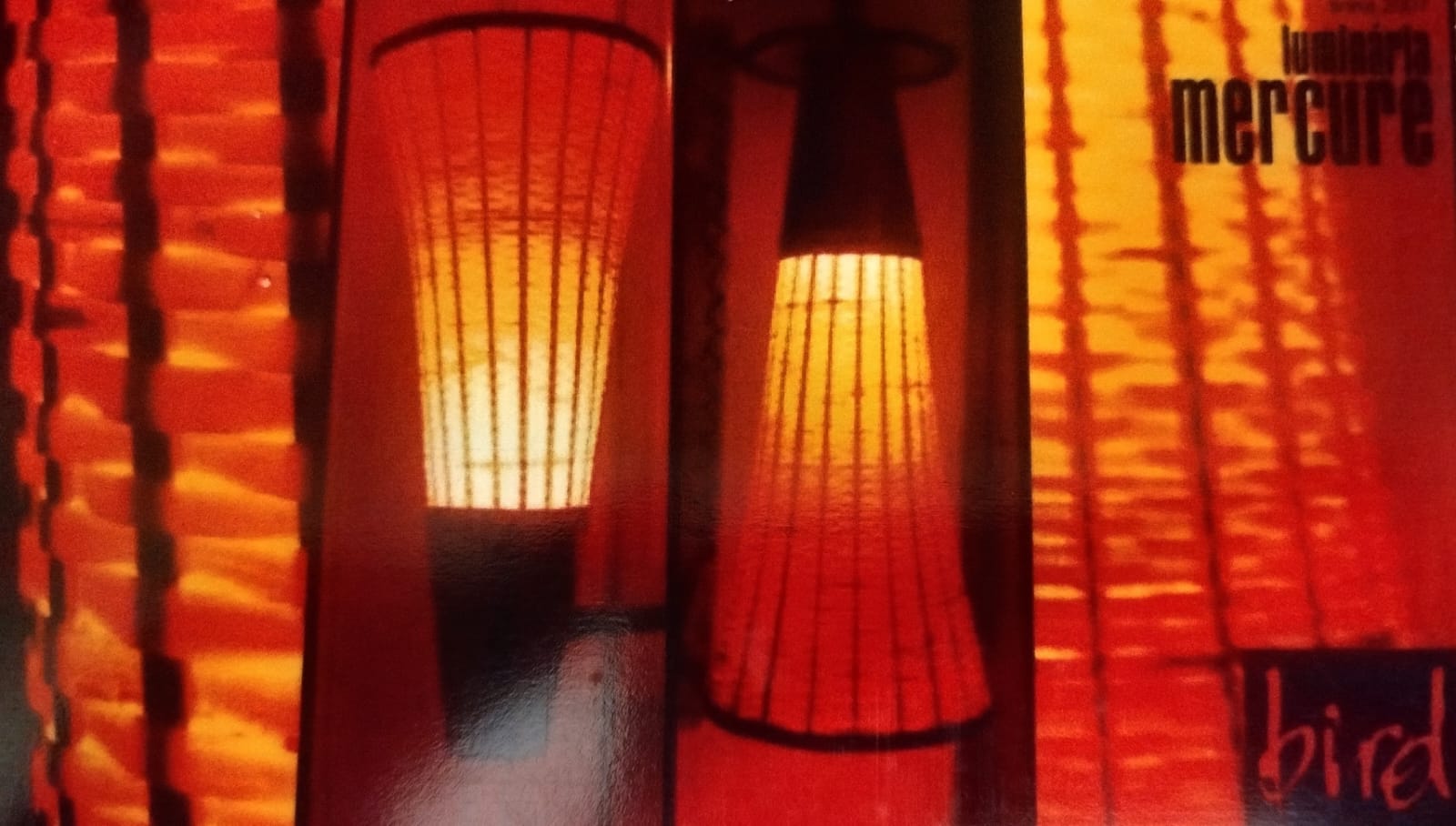
Lumi Kunaun
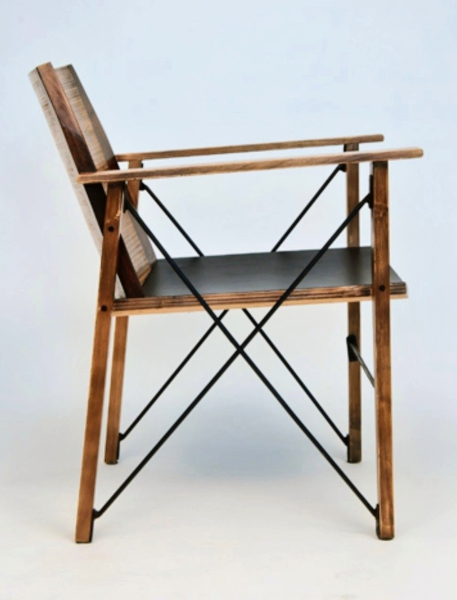
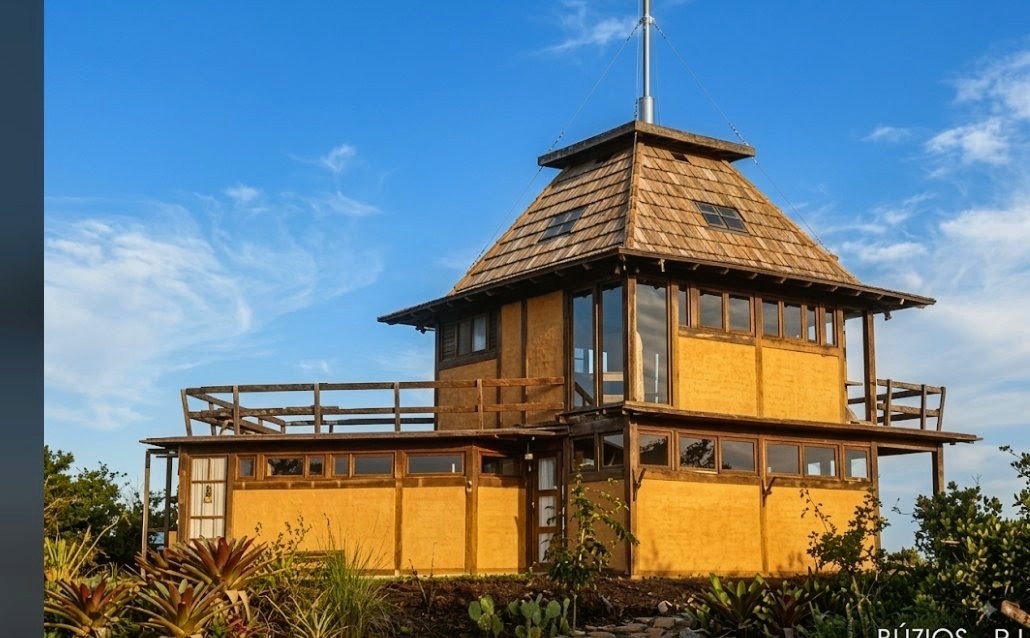
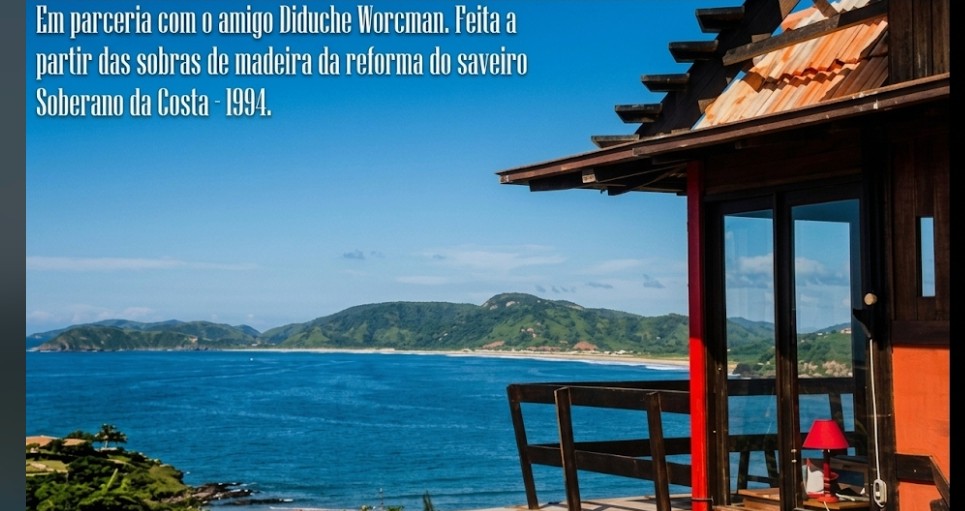
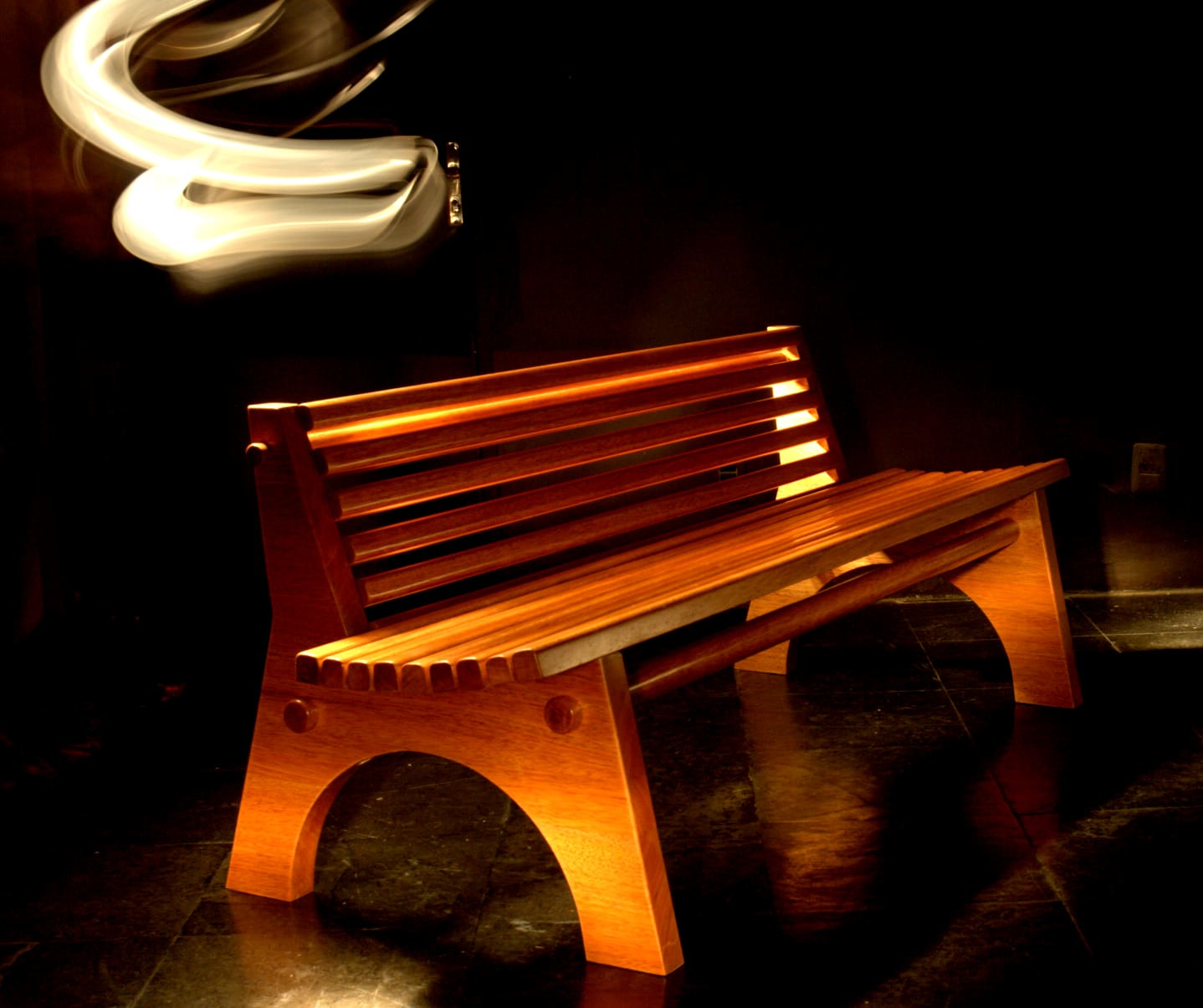
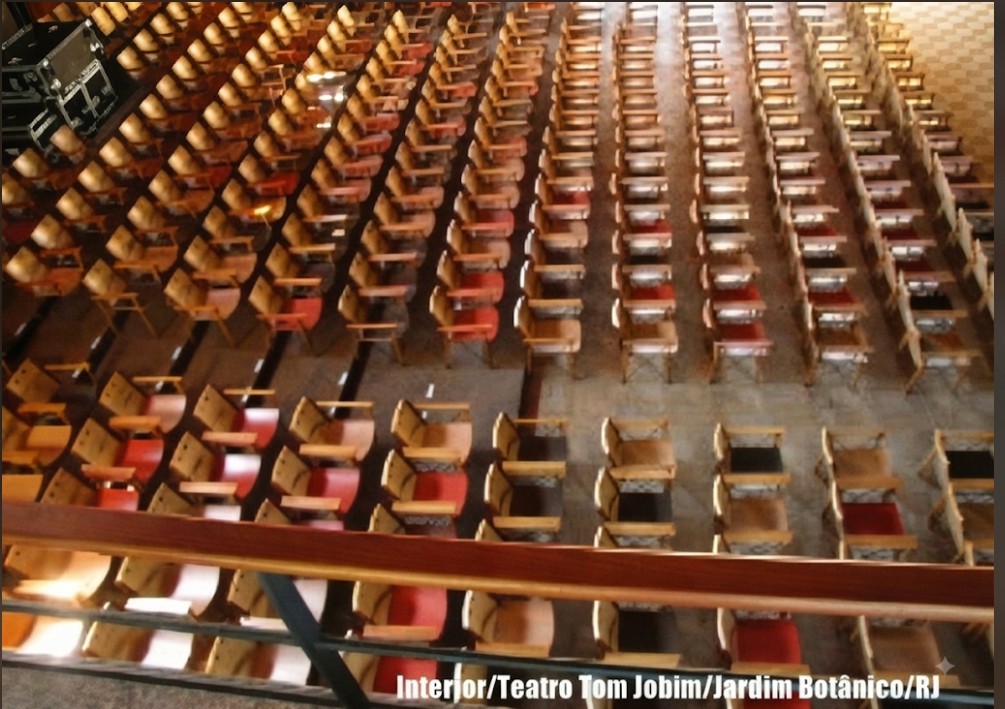
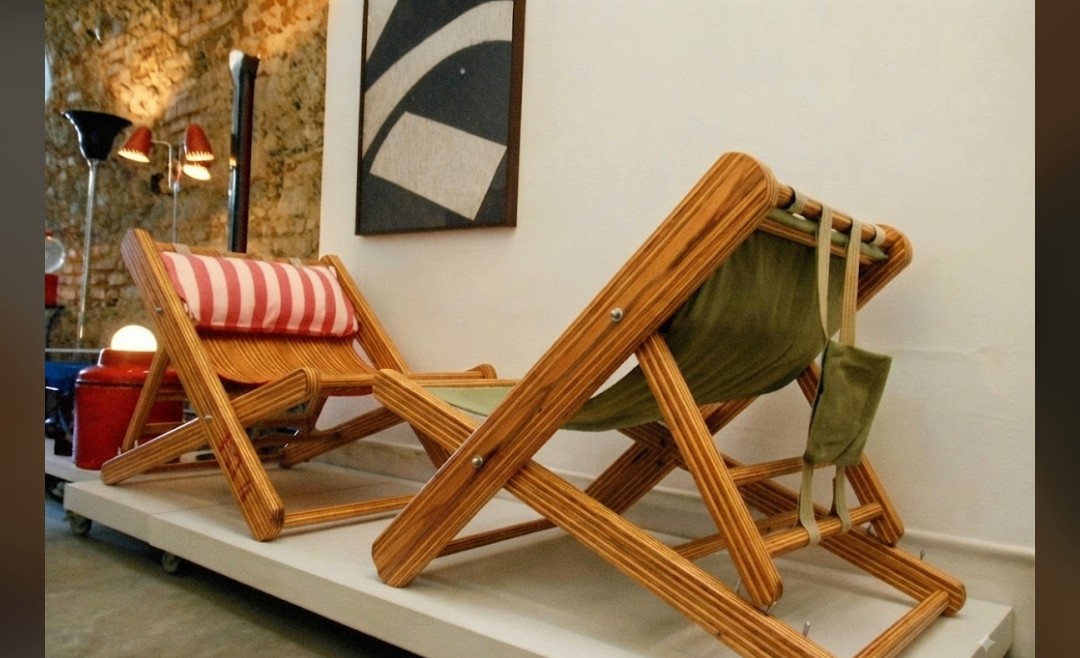
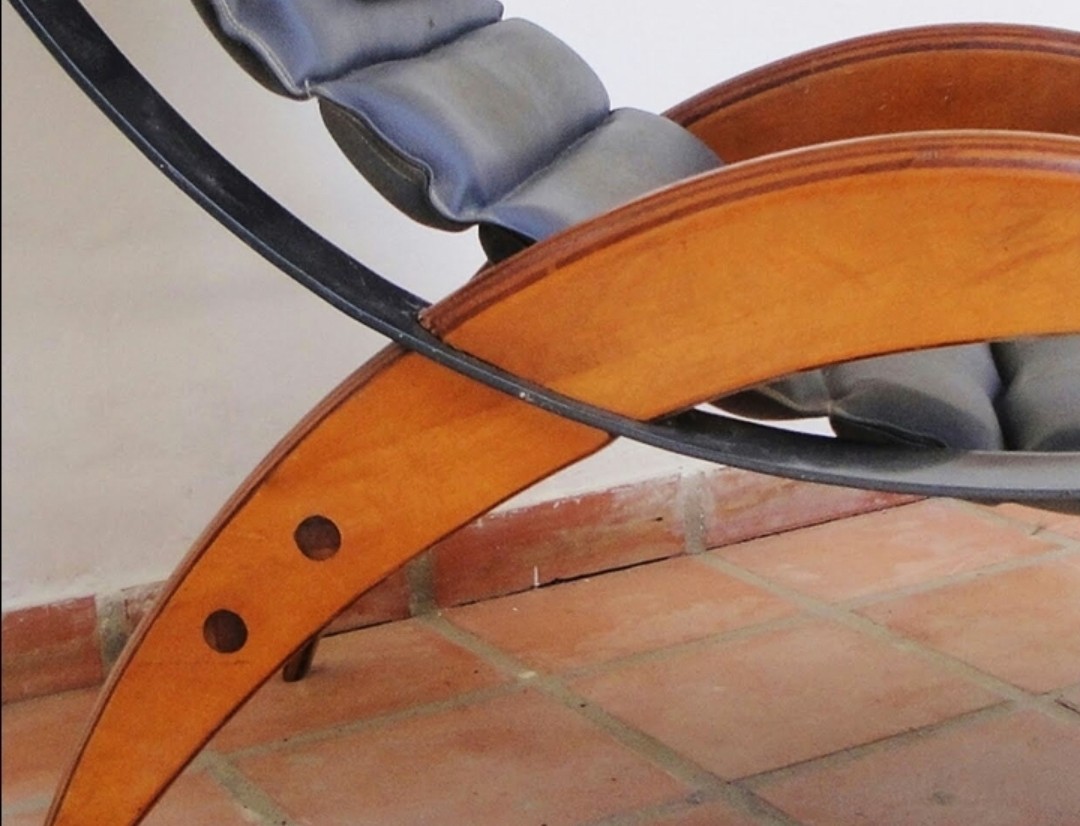
Back in Rio de Janeiro, he continued to refine this approach through expressive creations, such as the chairs for the Tom Jobim Theater, named in honor of the maestro, and the unique Casa do Mastro, built in Búzios using reclaimed wood from an old Maranhão sloop.
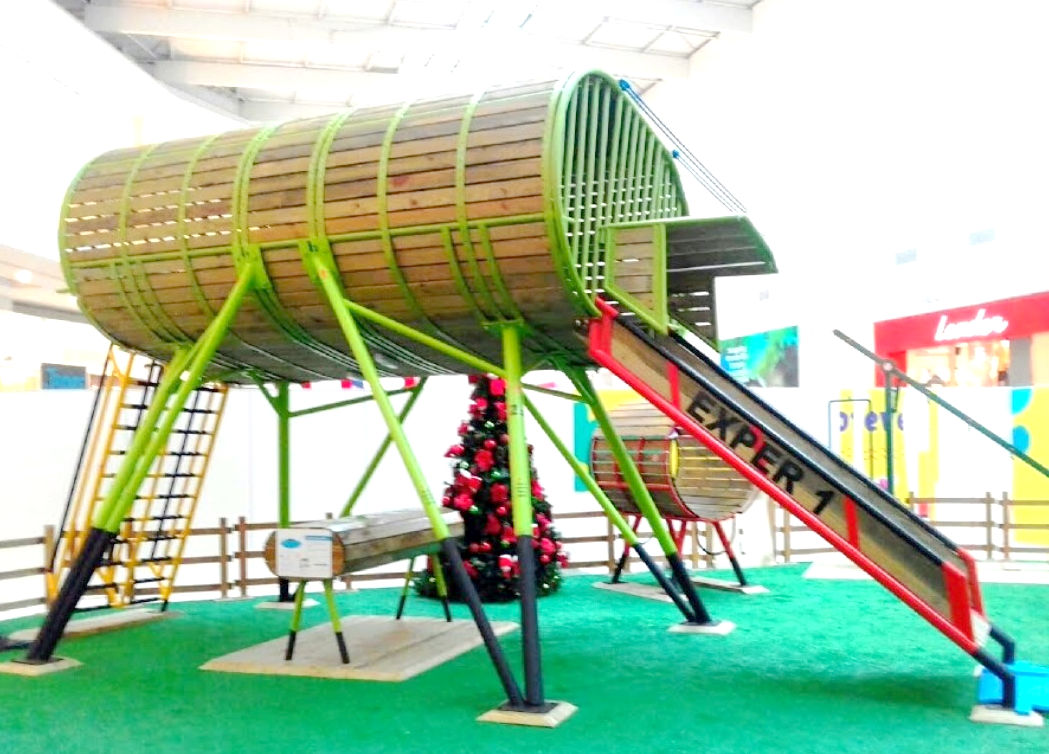
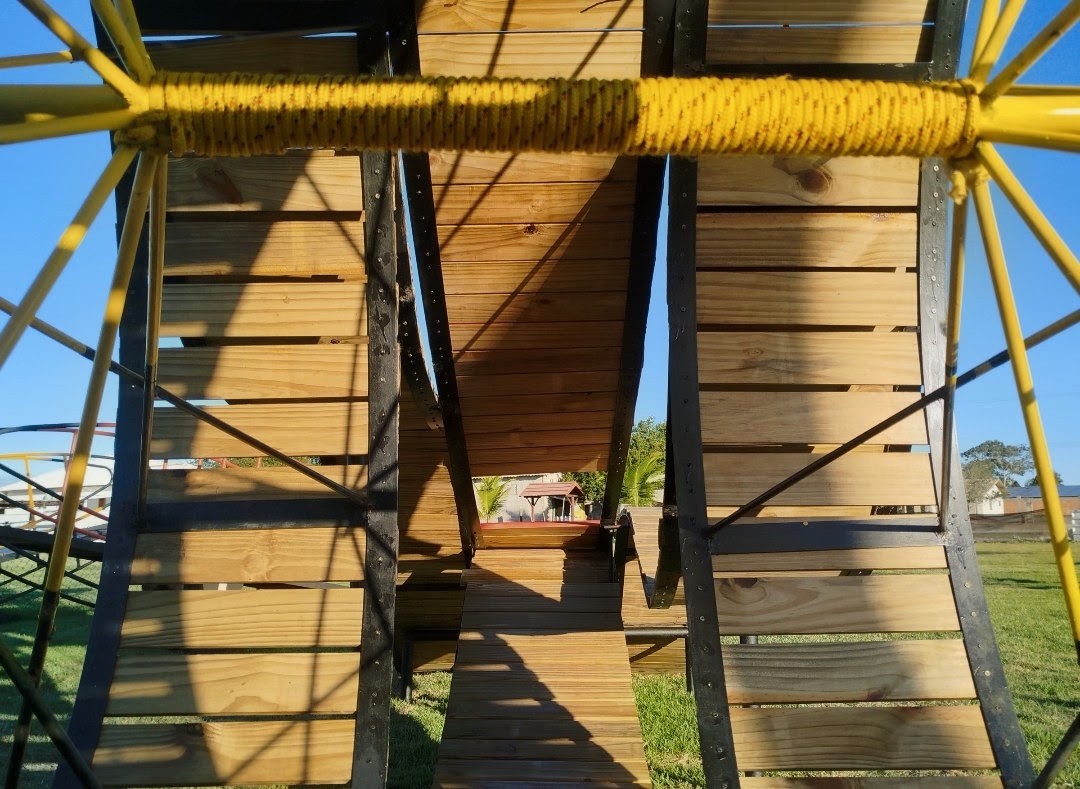
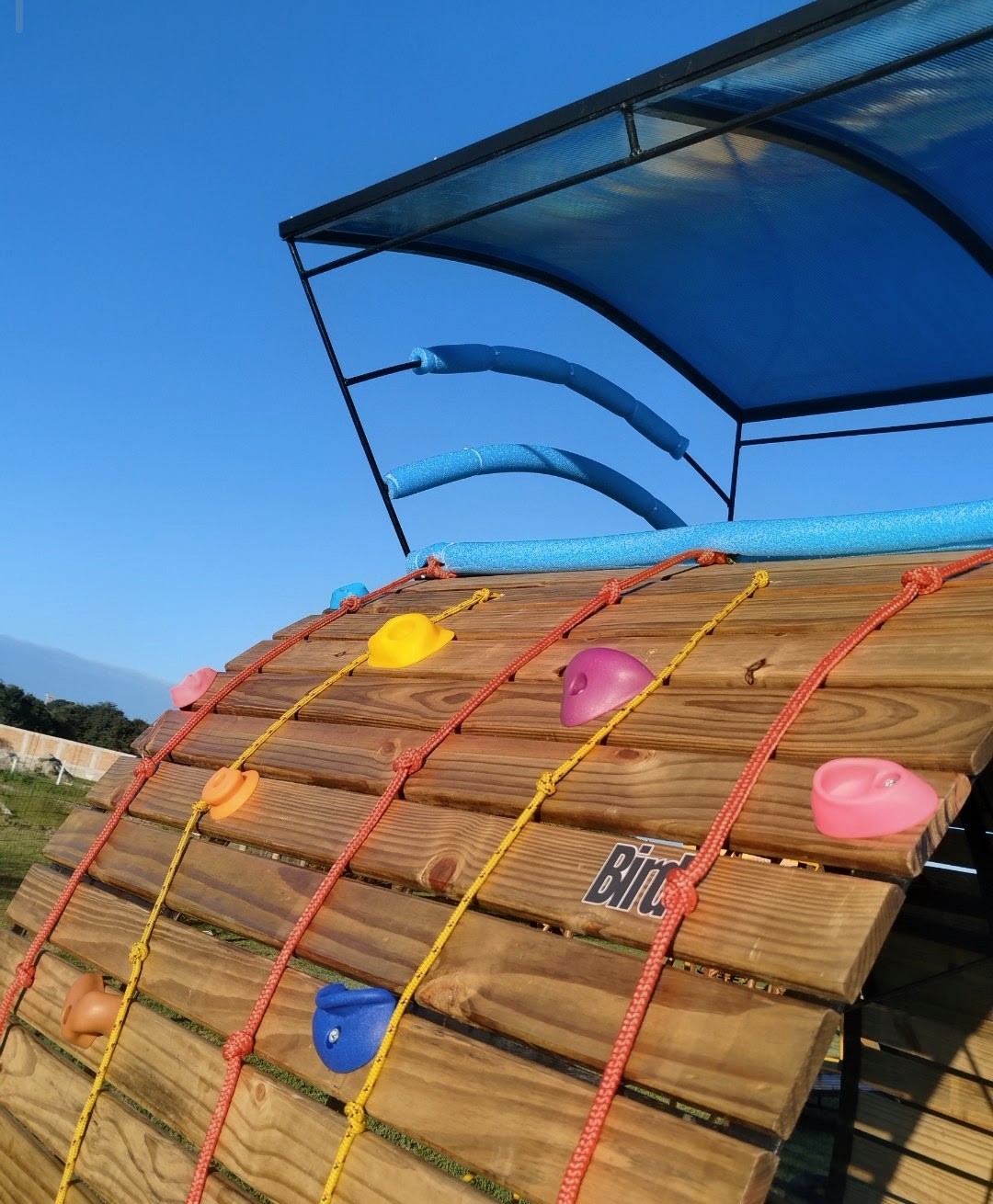
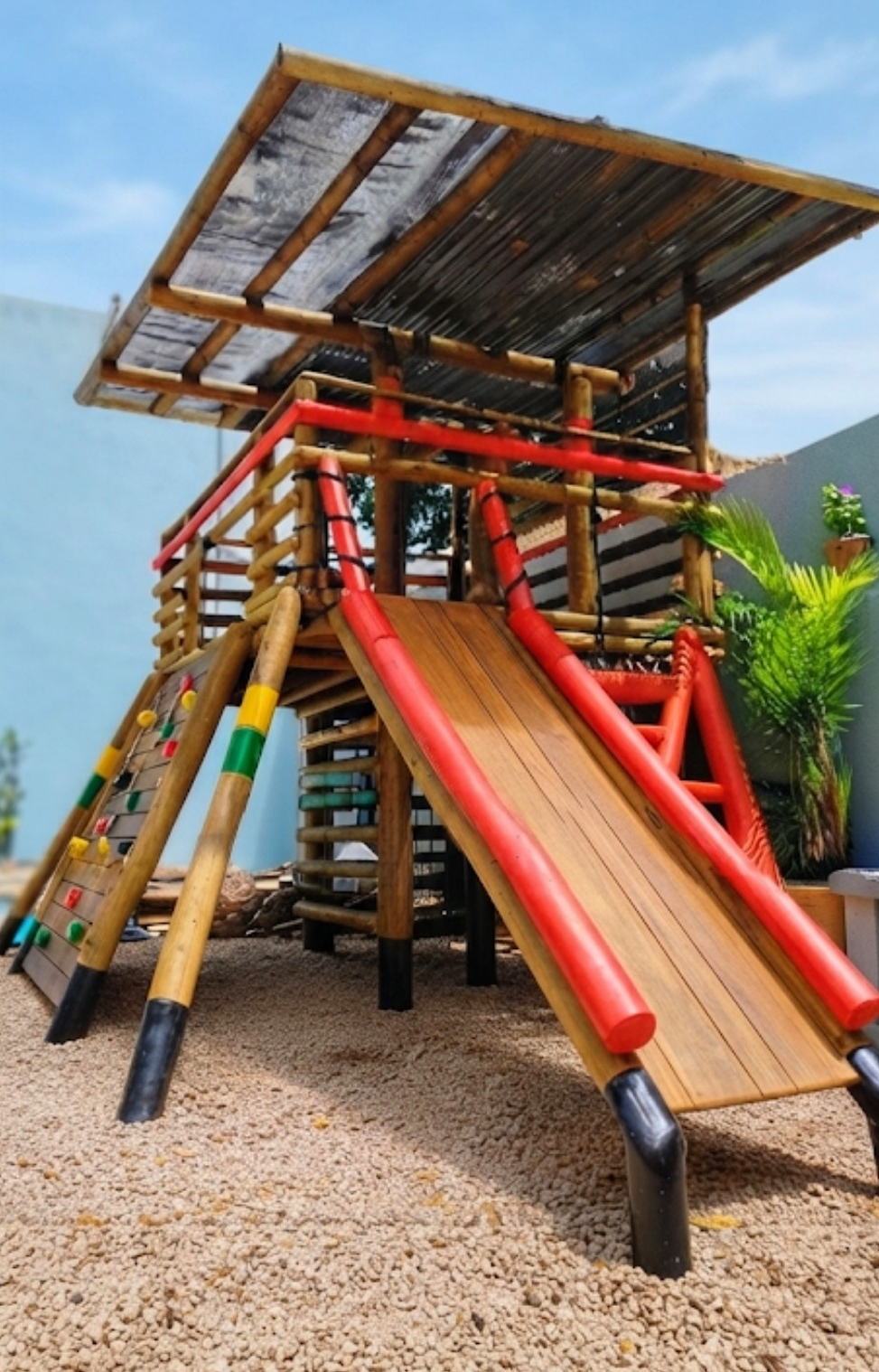
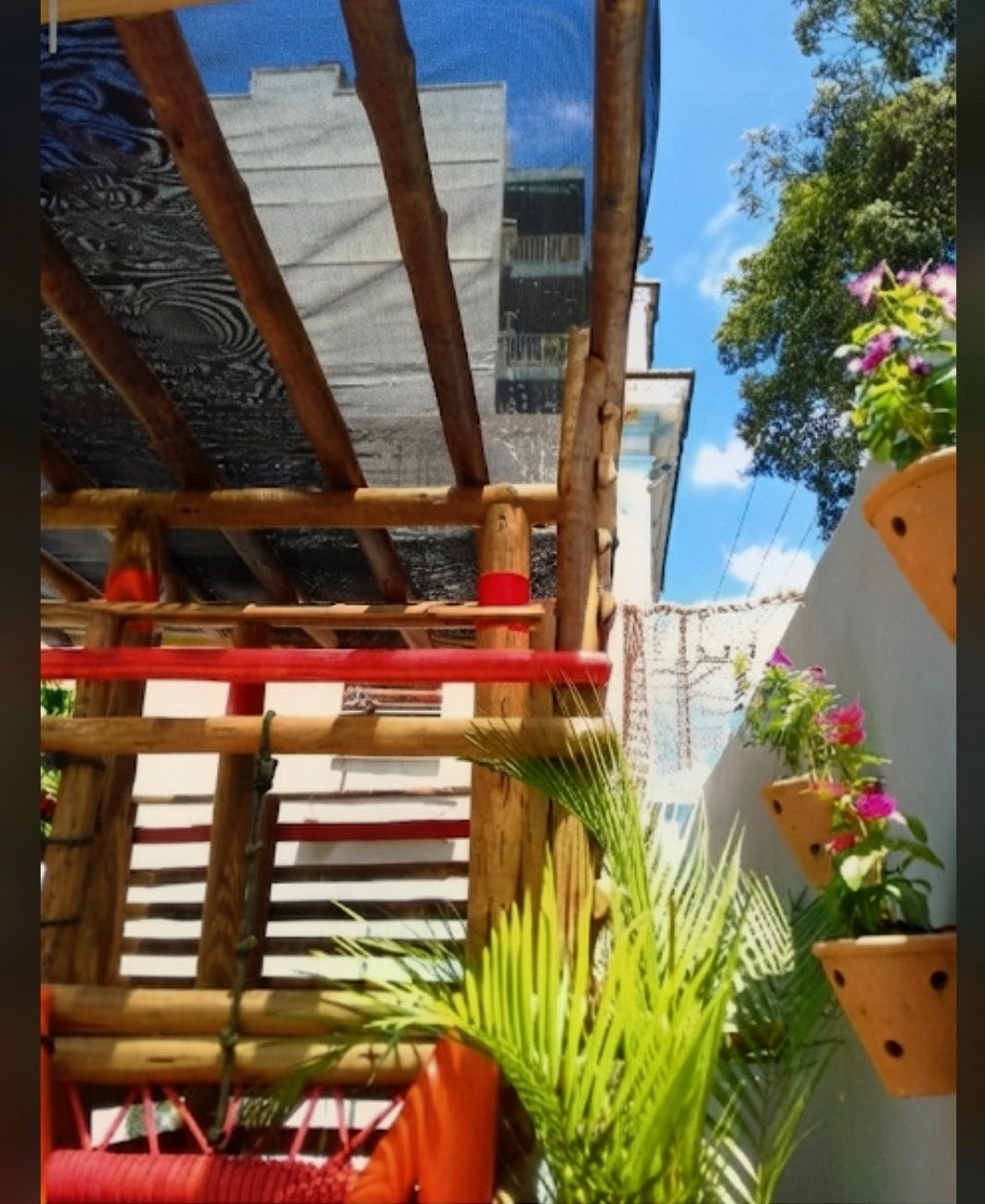
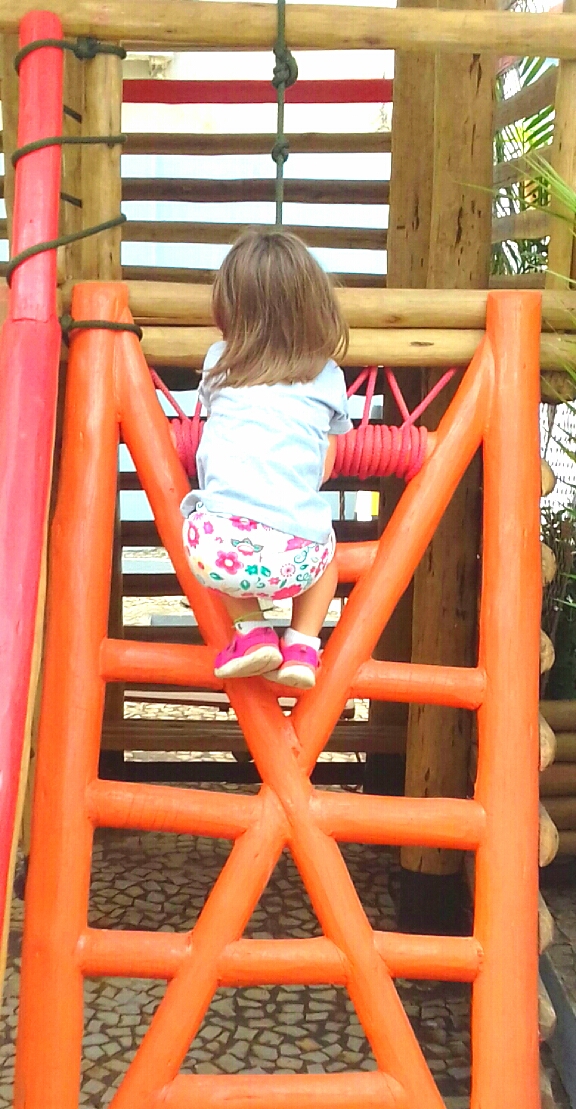
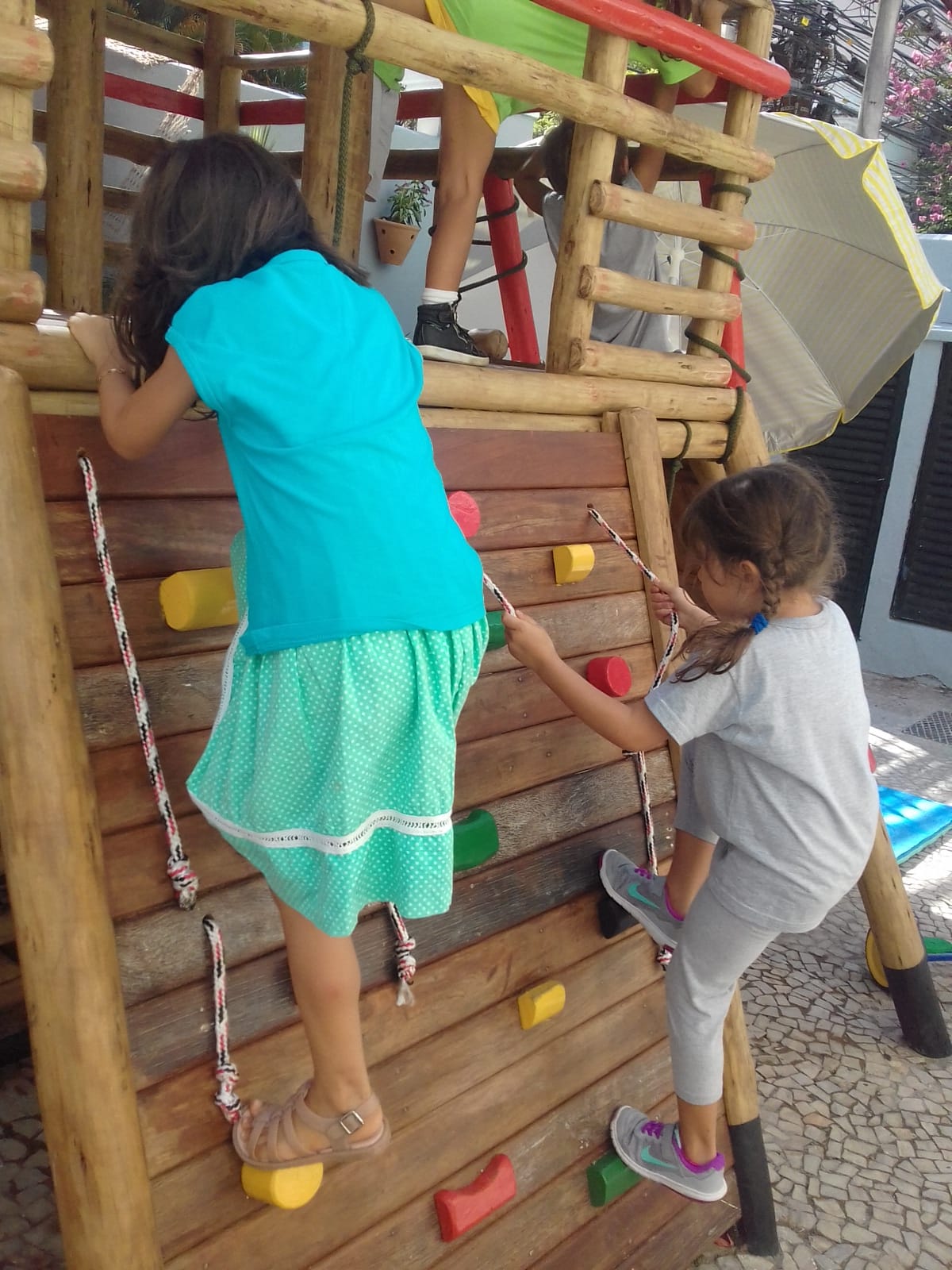
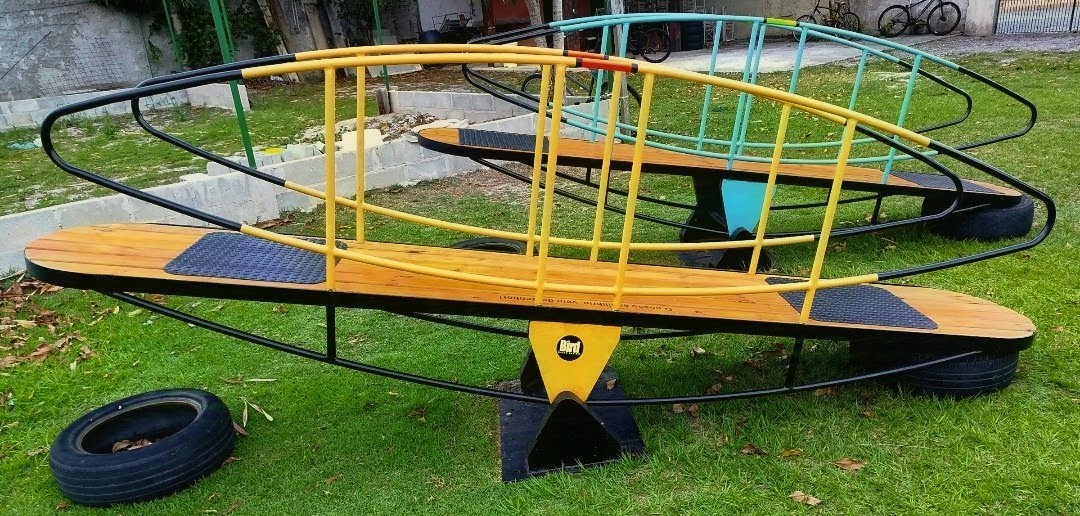
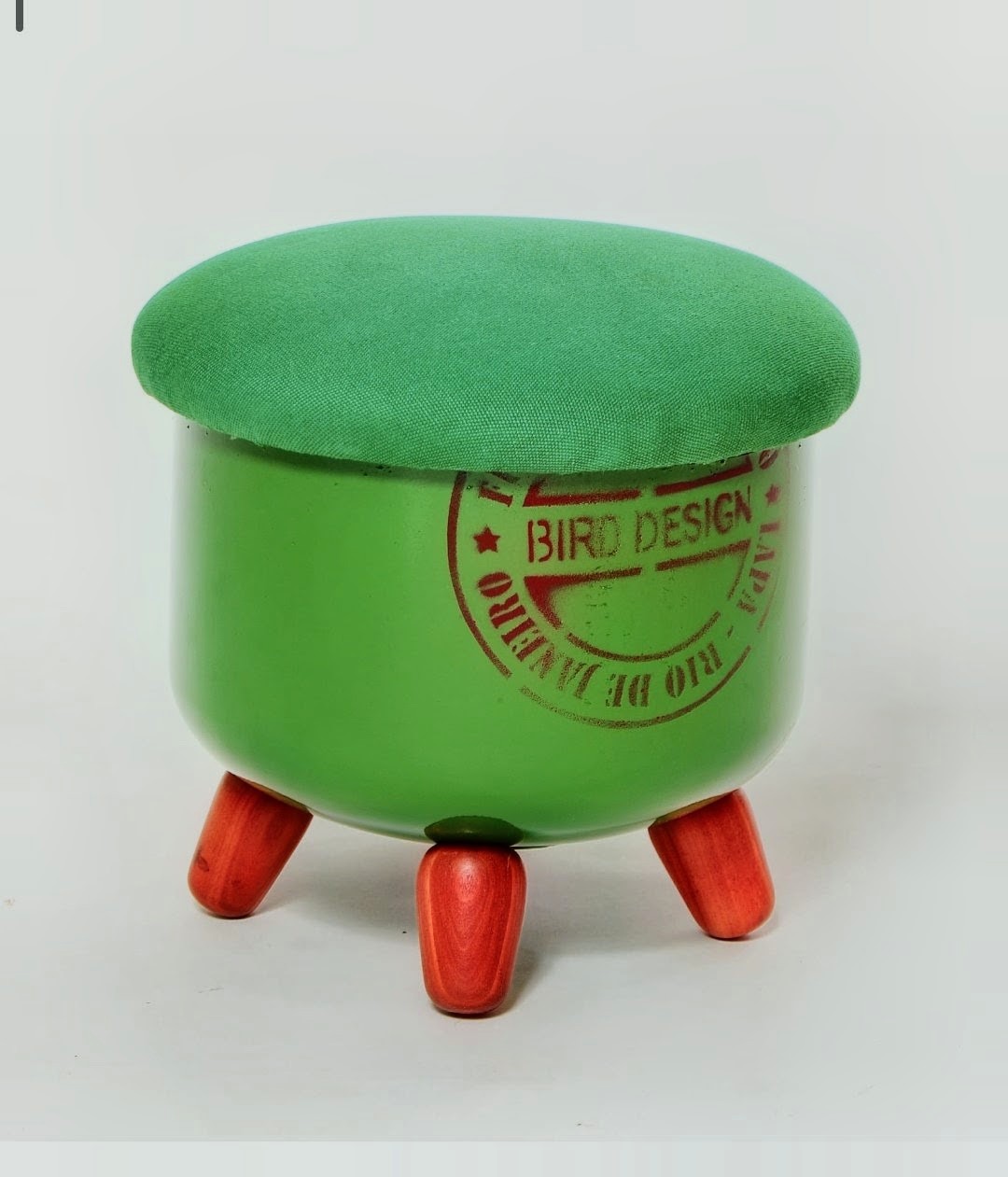
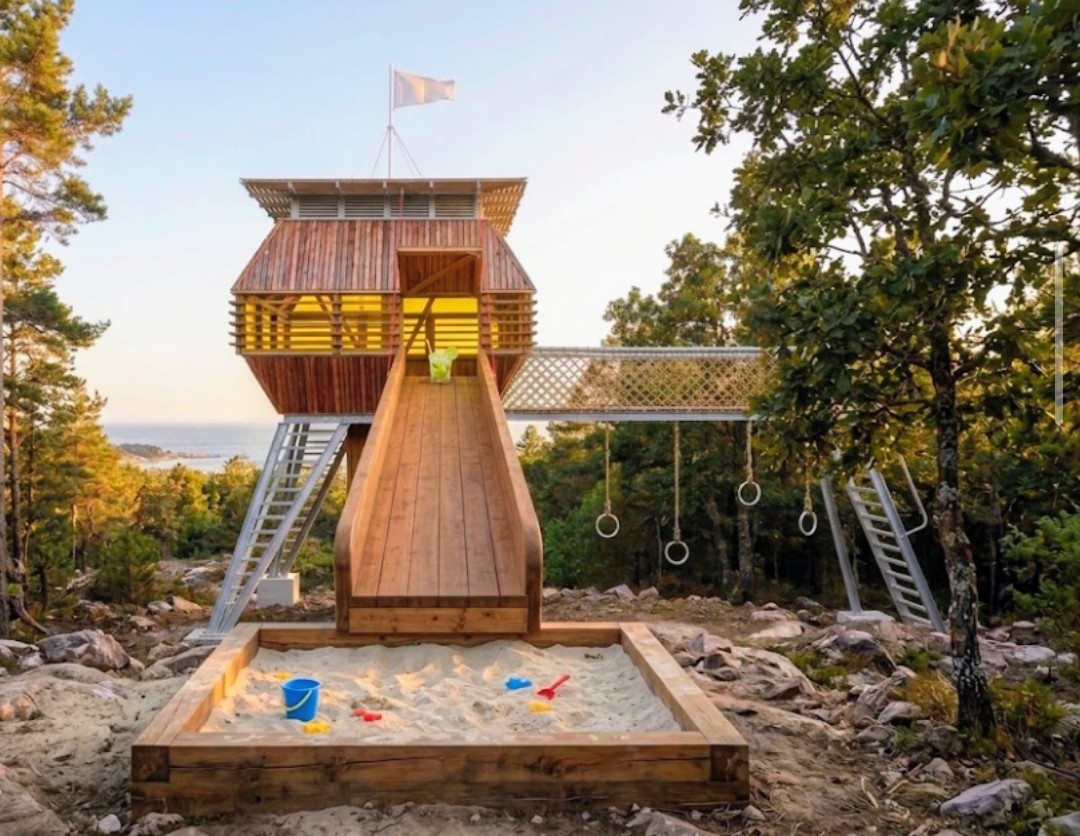
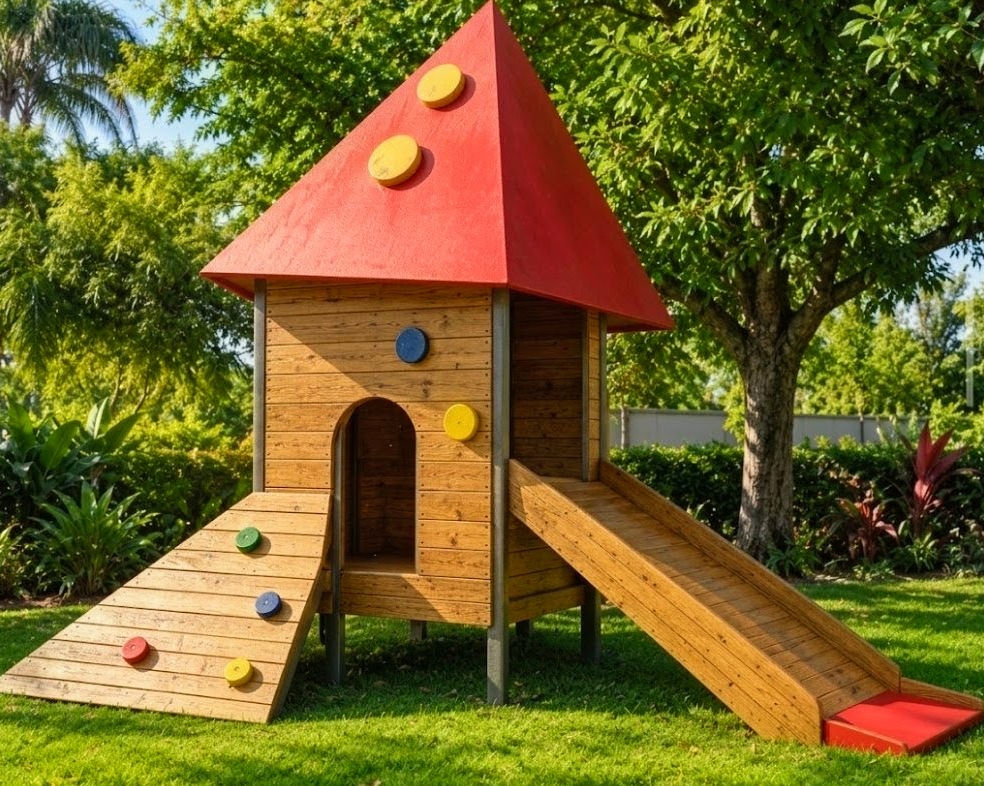
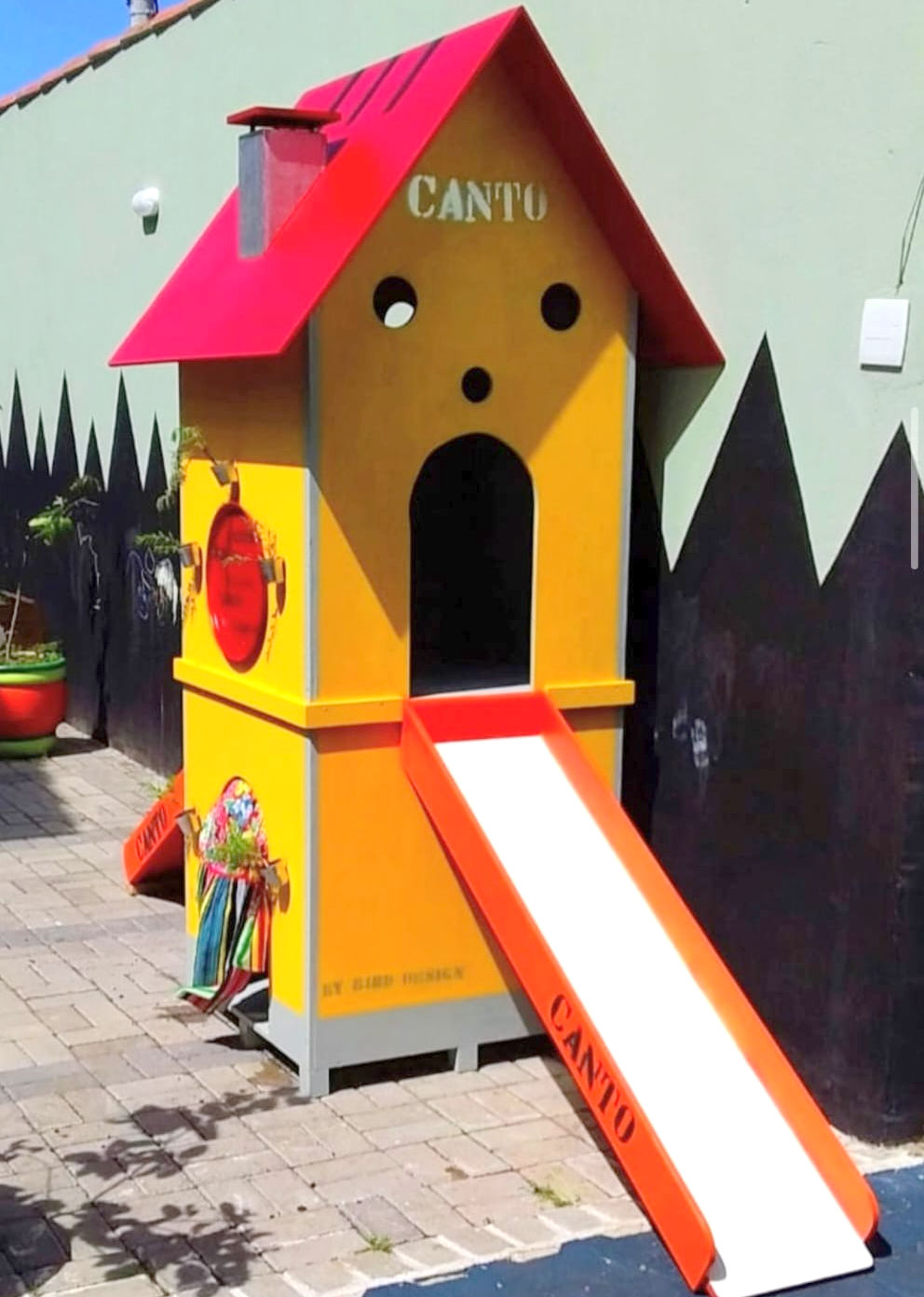
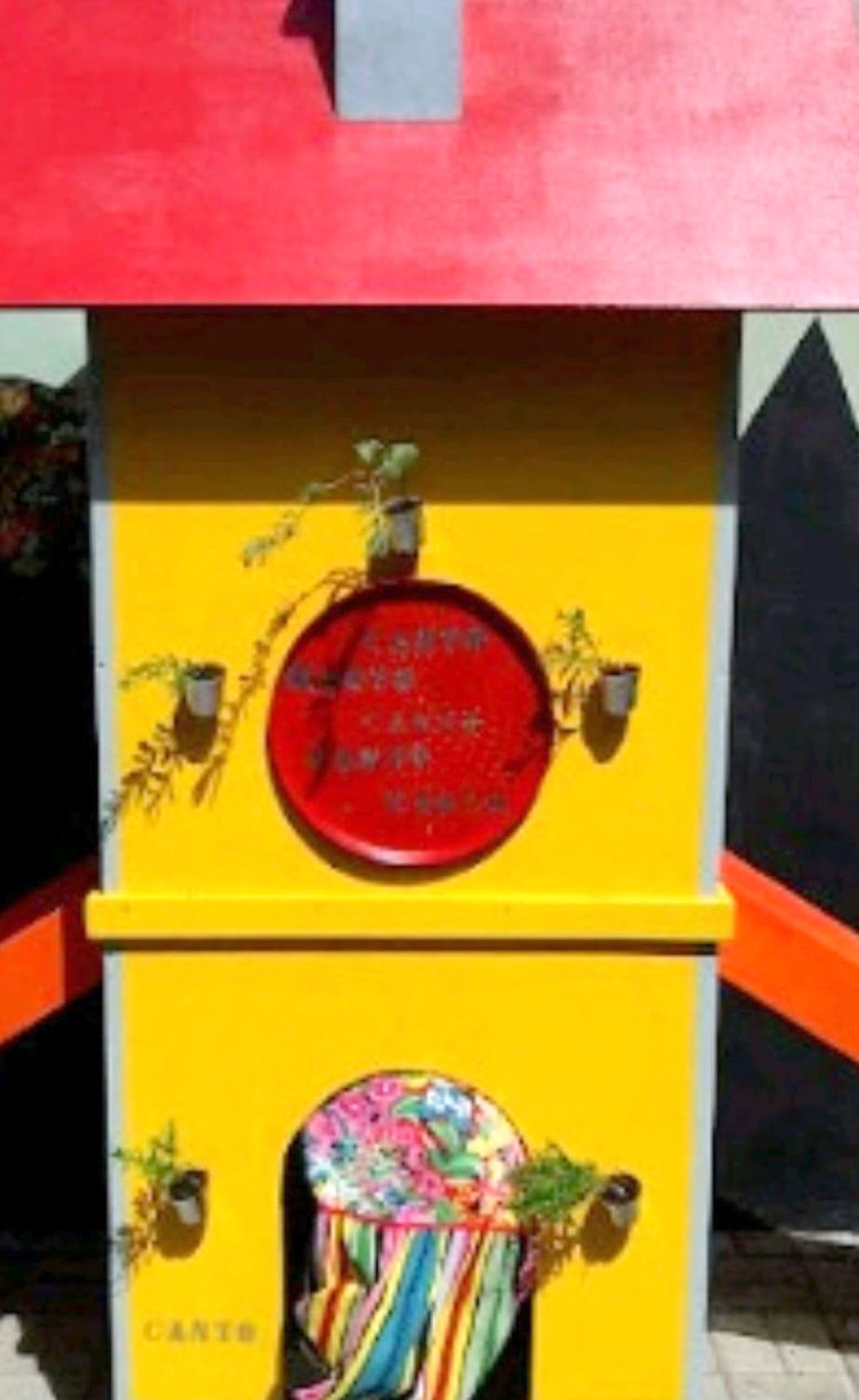
His constant pursuit of conscious design brought national recognition with the Planeta Casa Award for his sustainable children's furniture.
His mastery of woodwork also led to an invitation from the Timber and Wooden Structures Laboratory at the University of São Carlos to participate in the International Architecture Biennale at Ibirapuera, São Paulo. The event marked a special moment of acclaim: his space was chosen by architecture students across the state of São Paulo as one of the top five exhibits in the show, sharing this honor alongside the master of Brazilian design, Sérgio Rodrigues.

Truck from the project created by João in the Amazon.
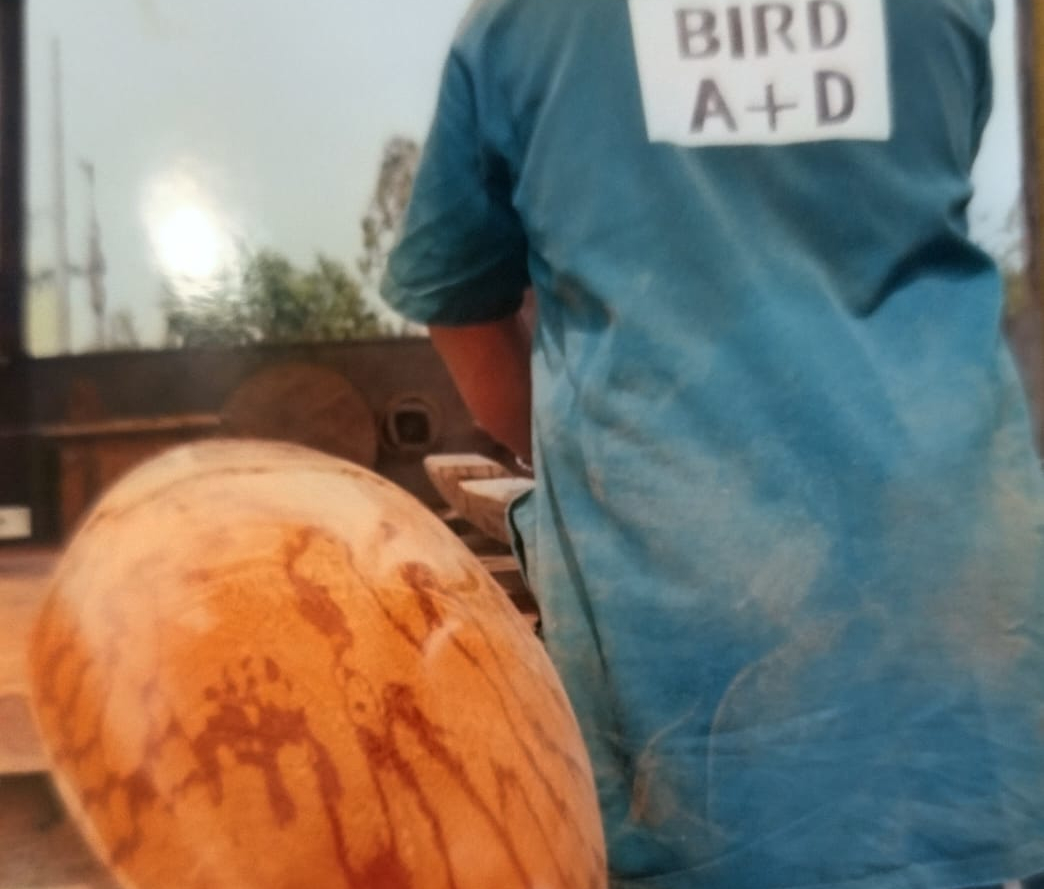
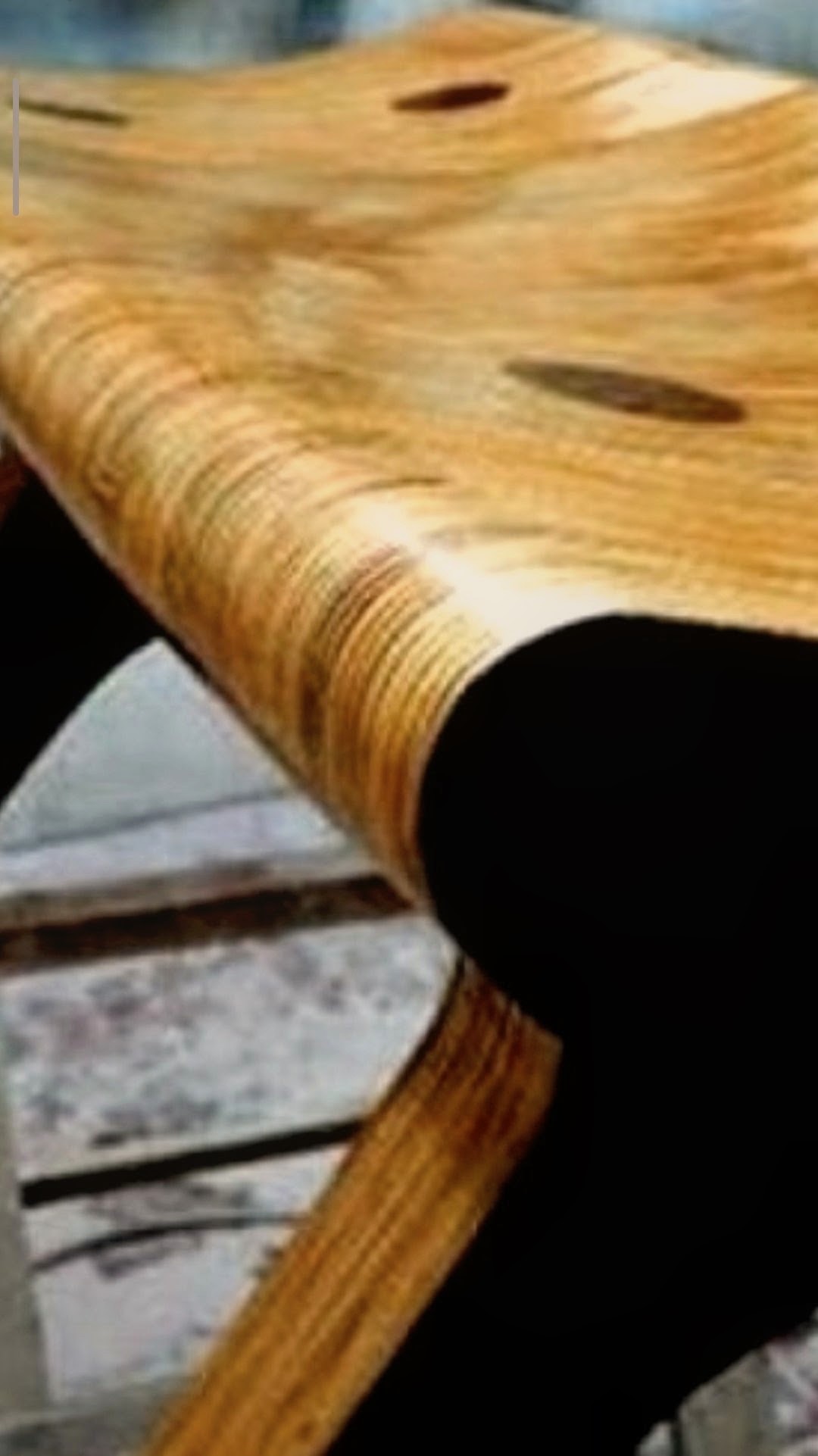
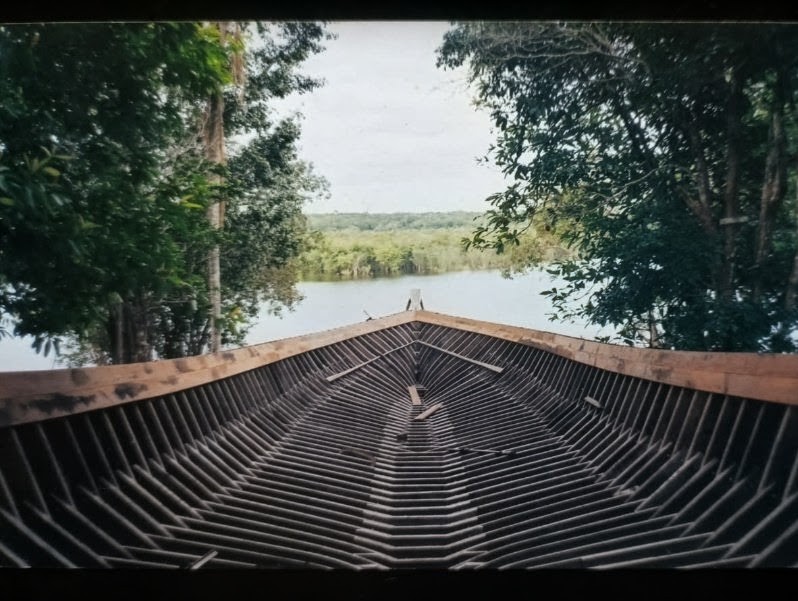
Crafting of the Canoa Bench.
The essence of Bird Green Design is born from the intersection of technique, ancestry, and contemporaneity.
Today, the influence of João Bird and Bird Green Design is global: their exclusive pieces and conceptual projects reside in private collections and prestigious spaces around the world, solidifying international recognition for design infused with Brazilian soul.
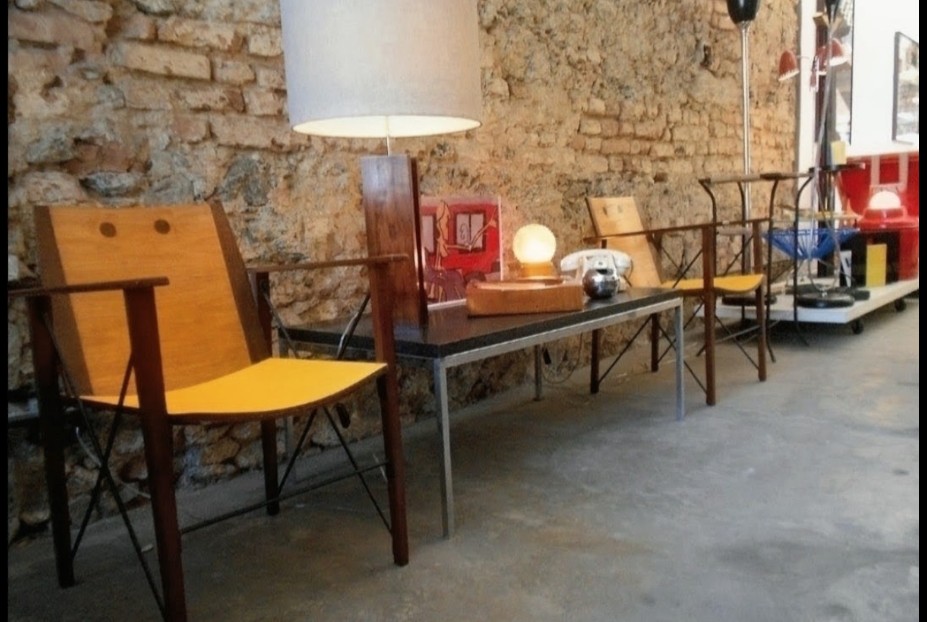
Yellow Tom. Designmuseum Danmark.